Tokyo

togoshi-ginza

The shopping street was paved in 1927 with the stone Ginza tore up after the earthquake, and took the name along with the bricks.

Photo OiMax / Unsplash

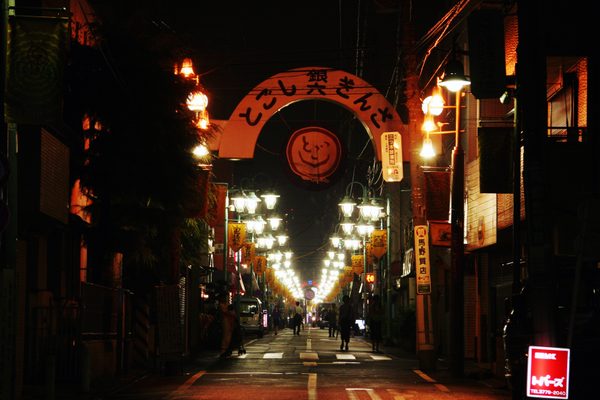
Togoshi-ginza in Shinagawa Ward is Tokyo's longest shopping arcade, stretching over 1.3 kilometers with more than 400 shops. Unlike tourist-polished destinations, this is where real Tokyo residents shop, eat, and gossip daily. The retro Showa-era atmosphere mixed with modern snack culture makes it an irresistible street food heaven.

Sightseeing

The Classics

Togoshi-ginza Shopping Street

3min walk

The main 1.3 km arcade is divided into five sections, each with its own shopping association. Colorful banners, mom-and-pop stores, and the smell of grilled skewers fill the air from morning to evening.

💡 One minute on foot. The street runs about 1.3 kilometres and is divided among five shopping-street associations. The banners change design partway, so the boundaries are visible as you walk.
Togoshi-ginza Station (Tokyu Ikegami Line)

1min walk

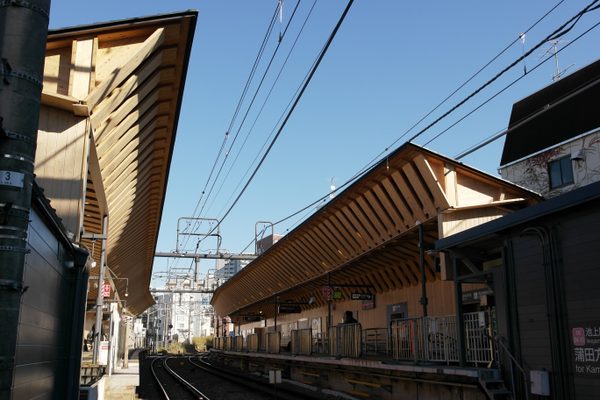
This small, retro above-ground station sits right in the heart of the shopping street. The station building itself is a charming piece of old Tokyo infrastructure that blends seamlessly with the arcade atmosphere.

💡 The station is above street level, so you get a nice elevated view of the shopping street from the platform — worth a quick photo before you descend.

Nakanobu / Ebara-machi Station Area

25min walk

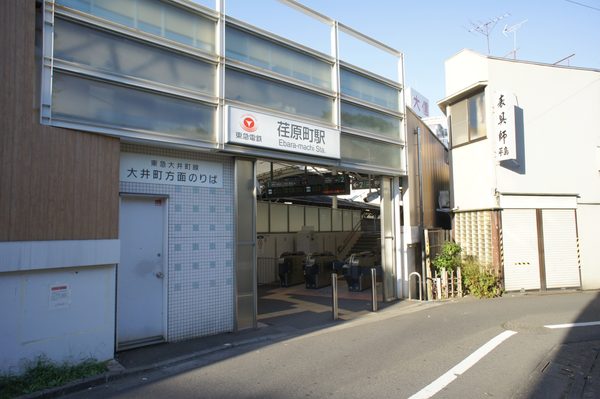
The far end of the shopping street near Nakanobu and Ebara-machi Stations has a slightly older, more working-class neighborhood feel. This end is less visited by outsiders and feels the most authentically local.

💡 Head to this end first if you want to avoid crowds and see the street before you get hungry — save the Togoshi-ginza Station end (more food stalls) for last.

Local Secrets

Togoshi Ginza Onsen

6min walk

A neighbourhood bathhouse a few minutes off the arcade, drawing genuine black hot-spring water — the dark, mineral-rich kuroyu found under the Tokyo lowlands, long called a beauty bath. There are two bathing halls, Hi-no-yu painted with the Seven Lucky Gods and Tsuki-no-yu with Mount Fuji, and they swap between men and women each day. Both have an outdoor bath and a sauna.

💡 Open 15:00–25:00, closed Fridays. Adults ¥550, primary-school children ¥200; the sauna costs extra. Which hall you get depends on the day, so it is worth returning to see the other.

Togoshi Hachiman Shrine (戸越八幡神社)

9min walk

The local tutelary shrine, a little off the shopping street. Families from the neighbourhood come for Shichi-go-san and the New Year visit; the rest of the year it is quiet. Stone steps lead up to the hall.

💡 The grounds are free and open. On a weekday morning there is hardly anyone there.

Shoryu-ji Temple Area Back Streets

3min walk

One street off the main run, wooden houses and narrow lanes continue. The shopping street is wide and bright; behind it the roads are thin and almost no cars pass. If the street tires you, cutting through here means fewer people.

💡 Three minutes on foot. Turn at right angles off the arcade and two blocks brings you into it. It is residential, so walk quietly.

Food & Drink

The Classics

Meat & Deli 355 Iida Meat Store

10min walk

A butcher towards the western end of the shopping street, selling fried food at the counter; the croquettes can be eaten on the spot. Togoshi-Ginza is known as a street where eating as you walk is normal, and shops of this kind are dotted along it.

💡 Closed Mondays. Ten minutes on foot. The street runs about 1.3 kilometres, so this shop is some way along it.

Omede Taiyaki Honpo, Togoshi-Ginza

4min walk

A taiyaki shop on the shopping street. You buy one hot at the counter and eat it walking, which is how this street is used.

💡 11:00–19:00. Four minutes on foot.

Local Secrets

Motsuyaki Togaya

5min walk

An offal-grill just off the shopping street, mostly counter seating, filling with local customers from the early evening.

💡 Closed Mondays. Five minutes on foot.

The Memory of This Town

The Original "Ginza" — It Began With a Handcart of Bricks, 100 Years Ago

In 1923 the Great Kanto Earthquake struck. Togoshi sat in a low-lying hollow with poor drainage, and every rainfall turned its main street into a channel of mud. In Ginza, burned in the same disaster, the reconstruction plan called for tearing up the famous brick pavement and laying asphalt instead. Mountains of brick were left over as rubble, with nowhere to go.

The shopkeepers of Togoshi pulled their handcarts all the way to Ginza. They brought the bricks home and laid them across the mud. Then they named the street Togoshi-Ginza — borrowing the name of what was then Japan's grandest commercial district, in the hope that a little of its fortune might rub off.

Today more than 300 shopping streets across Japan carry "Ginza" in their name. Every one of them traces back to this street.

  • The eastern stretch is called Ginroku Shotengai — literally "Ginza 6" — because Ginza's 6-chome district is where the bricks came from.
  • Togoshi-ginza Station on the Tokyu Ikegami Line opened in 1927, seven years before Ginza Station itself (1934). It was the first station in Japan to carry the name "Ginza."

Through the Year

  1. Septhe second Sunday

    The Annual Festival

    Togoshi Hachiman Shrine

    Shrine maidens perform the urayasu dance, there are lion dances, and children's mikoshi, the large mikoshi and floats go round the district. Every third year, at the shinkosai, the main shrine is carried the length of Togoshi Ginza — 1.3 kilometres of shopping street, and the length of the street becomes the length of the procession.

Dates shift from year to year. Check the shrine or organiser before you plan around one.

Where to Stay

APA Hotel Shinagawa Togoshi-Ekimae

4min walk

A business hotel in front of Togoshi station on the Toei Asakusa Line, close to the eastern end of the Togoshi-Ginza shopping street. It is one of the few places to stay in this part of the ward.

💡 Four minutes on foot. Shinagawa and Gotanda are both a few stops away.

Approximately 8,000–14,000 yen per night for a single room

Give Base Togoshi

12min walk

A small lodging on the second and third floors of a building in the residential streets towards the western end of the shopping street. It is not a hotel; you stay inside the neighbourhood's daily life.

💡 Twelve minutes on foot. Reception around the clock. It sits near the far end of the street, which suits shopping in the evening.

Approximately 4,000–8,000 yen per night; availability is limited so book early

Getting to Togoshi-ginza

  • From Shibuya

    21 min · 1 transfer (change at Gotanda) · JR Yamanote Line → Tokyu Ikegami Line · ¥340

  • From Shinjuku

    27 min · 1 transfer (change at Gotanda) · JR Yamanote Line → Tokyu Ikegami Line · ¥350

  • From Tokyo Station

    30 min · 1 transfer (change at Gotanda) · JR Yamanote Line → Tokyu Ikegami Line · ¥350

  • From Ueno

    36 min · 1 transfer (change at Gotanda) · JR Yamanote Line → Tokyu Ikegami Line · ¥390

  • From Ikebukuro

    36 min · 1 transfer (change at Gotanda) · JR Yamanote Line → Tokyu Ikegami Line · ¥390

  • From Shinagawa

    15 min · 1 transfer (change at Gotanda) · JR Yamanote Line → Tokyu Ikegami Line · ¥290Wherever you start on the Yamanote loop, the move is the same: change to the Tokyu Ikegami line at Gotanda.

  • From Narita Airport

    102 min · 1 transfer (change at Oshiage) · Keisei Narita Sky Access (Access Express) → Keisei Oshiage Line (Rapid Ltd. Exp.) · ¥1,520

  • From Haneda Airport

    49 min · 2 transfers (change at Hamamatsucho and Gotanda) · Tokyo Monorail → JR Yamanote Line → Tokyu Ikegami Line · ¥870The airport bus to Kamata plus the Ikegami line takes about 53 minutes but costs only ¥537.

Times are for a typical daytime weekday and fares are ordinary tickets, rounded. Both change — check a route planner on the day.

Getting There

Togoshi-ginza Station on the Tokyu Ikegami Line is a 2-minute walk from Exit 2; Togoshi Station on the Toei Asakusa Line is a 1-minute walk from Exit A2. The arcade runs about 1.3 km east to west, with Togoshi-ginza Station near its middle. From Shinagawa, take the JR Yamanote Line to Gotanda, then the Tokyu Ikegami Line two stops.

Best Time to Visit

Weekday afternoons show the street at its most ordinary. Before nine in the morning most shops are still shut, and what you see instead is owners wetting the pavement and delivery vans coming through, which is worth catching in itself. After six in the evening the standing bars come alive. In autumn there is a street festival with stalls along the road, but the dates move each year, so check with the shopping-street association.

Local Tip

Bring cash — the majority of small shops in the arcade are cash-only. Small denomination coins and 1,000 yen notes are ideal for street food. Avoid carrying large bags as the arcade can get narrow and crowded on weekend afternoons. Bring a small bag or tote for any purchases you make along the way.

What the Name Means

The name is said to be a worn-down form of Edo-goe, crossing out of Edo — the village where the city ended. Togoshi Hachiman shrine keeps an old verse beginning with those words, and the name is traced to it. The Ginza half is quite separate: in 1927 the shopping street was paved with stone given up by Ginza after the earthquake, and took its name.