Tokyo

kinshicho

Tokyo's Unpretentious East Side – Where Locals Actually Live

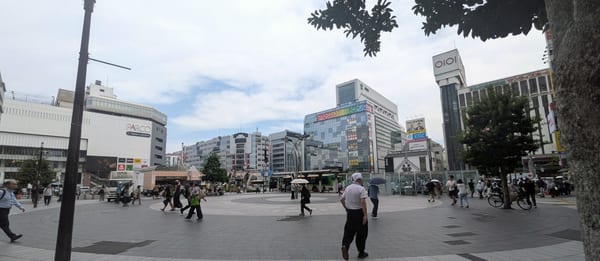
Kinshicho is a lively, no-frills neighborhood in eastern Tokyo that most tourists walk right past on their way to Asakusa. It's a place where salarymen debate baseball over cold beer, shotengai shopping streets still thrive, and you can eat remarkably well without paying Shibuya prices. Come here to see the Tokyo that actually exists, not the one on the postcards.

Sightseeing

The Classics

Sumida Park & River Walk

A wide, beautifully maintained riverside park running along the Sumida River, famous for nearly 1,000 cherry trees in spring and a relaxed sunset promenade year-round.

💡 Walk north along the river toward Asakusa to catch both Skytree reflections in the water and the traditional temple rooftops in a single view.

Tokyo Skytree (viewed from Kinshicho)

While tourists pay top yen to go up Skytree, locals enjoy arguably the best free views of the structure from the streets and parks of Kinshicho, just one stop away.

💡 Head to the rooftop garden of Ario Kinshicho shopping mall for an unobstructed, completely free view of Skytree — especially dramatic after dark.

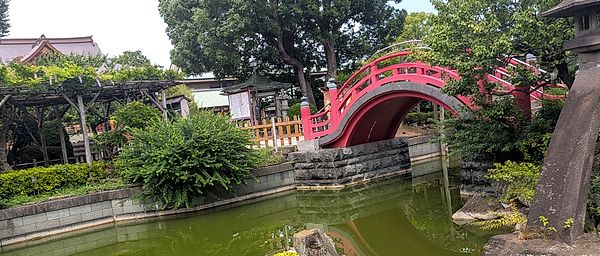
Kameido Tenjin Shrine

A serene Shinto shrine a short walk from Kinshicho, beloved for its arched drum bridges, koi-filled ponds, and spectacular wisteria festival every late April to early May.

💡 Arrive when the shrine opens around 8 AM during wisteria season to enjoy the purple blooms without the crowds.
Local Secrets

Sumida Hokusai Museum

A sleek Kazuyo Sejima–designed museum dedicated entirely to Katsushika Hokusai, who was born in this very neighborhood. The permanent collection is surprisingly intimate and never overcrowded.

💡 The museum shop sells Hokusai-motif goods that are genuinely tasteful and far less tacky than Asakusa souvenir stores — great for gifts.

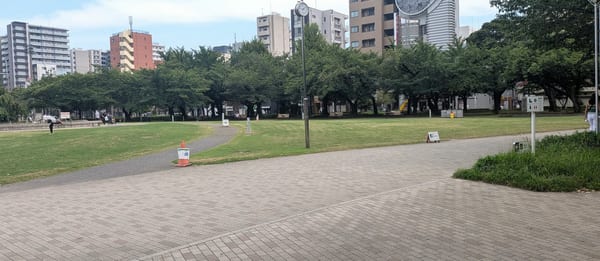
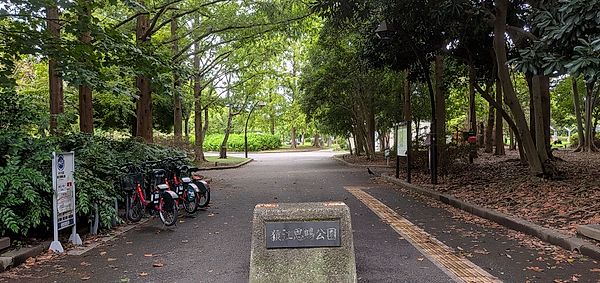
Kinshi Park (錦糸公園)

The central park of the neighborhood doubles as the prime viewing spot for the Sumida River Fireworks Festival each July — local families stake out spots days in advance.

💡 On regular weekdays, the park's open-air table tennis tables are used by a dedicated group of elderly regulars who are happy to let you join a game.

Yokoamicho Park & Earthquake Memorial

A rarely visited but historically profound park housing the Tokyo Reconstruction Memorial Museum, dedicated to victims of the 1923 Great Kanto Earthquake and the 1945 Tokyo air raids.

💡 The museum is free to enter. Few foreign visitors ever come here, making it one of the most quietly moving experiences in all of Tokyo.

Food & Drink

The Classics

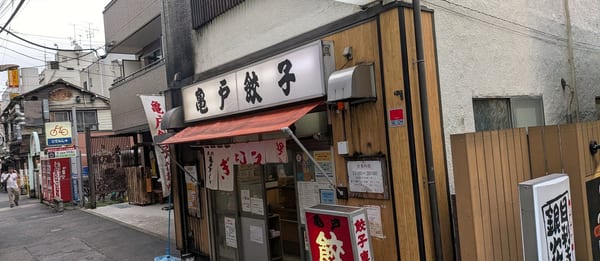
Kameido Gyoza (餃子の王将 系 / Local Gyoza Shops)

Kinshicho and neighboring Kameido are synonymous with pan-fried gyoza — crispy-bottomed, pork-and-chive stuffed dumplings served by the plate at tiny counter restaurants.

💡 Look for shops where salarymen are eating standing up at lunchtime — that's your quality signal. A plate of six gyoza typically costs around ¥250–¥350.

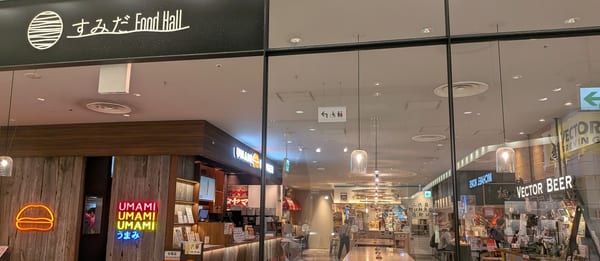
Ario Kinshicho Food Hall

The basement food hall of this large shopping complex offers a wide cross-section of Tokyo-style ready-made foods, bento, wagashi sweets, and regional specialties — very popular with local families.

💡 Visit after 7 PM when many stalls discount their remaining prepared foods by up to 50% — a great budget dinner option.

North Exit Izakaya Alley

The narrow streets north of Kinshicho Station are lined with old-school izakayas serving yakitori, sashimi, and cold draft beer in a no-reservations, elbow-to-elbow atmosphere.

💡 Point at what looks good on neighboring tables — menu reading skills not required. Budget roughly ¥2,500–¥4,000 per person including drinks.

Local Secrets

Standing Bar Culture (Tachinomi)

Kinshicho has a thriving tachinomi (stand-up drinking) culture with tiny hole-in-the-wall bars where a glass of wine or a beer costs as little as ¥200–¥400, packed with local office workers from 5 PM.

💡 Look for handwritten chalkboard menus outside; these usually indicate the cheapest and most local spots. No English needed — a smile and two fingers does the job.

Southeast Asian Restaurants near South Exit

The area south of Kinshicho Station has a quietly diverse dining scene including Cambodian, Vietnamese, and Thai restaurants run by long-term immigrant communities — authentic and extremely inexpensive.

💡 These restaurants rarely appear on tourist apps. Walk the streets south of the station and look for handwritten signs or non-Japanese clientele as your guide.

Old-School Senbei Shops near Kameido

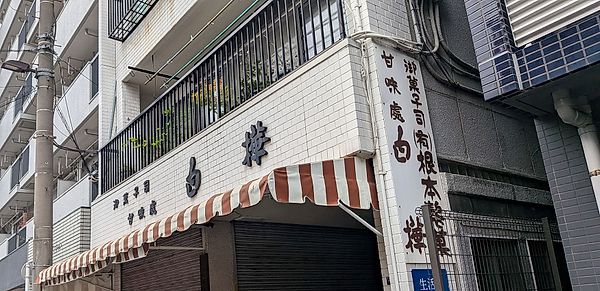
A handful of traditional senbei (rice cracker) shops operate in the Kameido area, some roasting crackers over charcoal in full view of customers — a craft almost extinct in central Tokyo.

💡 Ask for 'te-yaki' (手焼き / hand-roasted) senbei; shops that still do this will proudly show you. A bag of assorted crackers runs about ¥500–¥800.

Where to Stay

The Classics

Toyoko Inn Kinshicho Kita-guchi

A reliable, clean, and well-located business hotel right at the north exit of Kinshicho Station. Free breakfast is included, and the rooms are compact but efficiently designed — a solid base for exploring east Tokyo.

From approx. ¥7,000–¥10,000/night

Hotel Livemax Kinshicho

A no-nonsense budget business hotel within walking distance of the station, offering clean rooms with all the basics. Popular with both domestic business travelers and savvy budget tourists.

From approx. ¥5,500–¥8,500/night

Local Secrets

Weekly Mansion / Monthly Apartment Rentals

For stays of a week or more, Kinshicho has a number of 'weekly mansion' services (furnished short-term apartment rentals) aimed at domestic business travelers, which offer far more space than a hotel room at comparable or lower prices. Look on sites like Weekly Rex or Monthly Mansion Tokyo.

From approx. ¥40,000–¥70,000/week depending on size

Hidden Gems

Local Secrets

Sunamachi Ginza Shopping Street

One of the last surviving Showa-era shotengai in Tokyo — a 250-meter covered shopping street in nearby Kameido that still has a rice shop, a dried goods store, a tofu maker, and old sweet shops. Rarely visited by tourists but deeply loved by locals.

Skytree Reflection in the Kitajukken River

The narrow Kitajukken River running through Kinshicho perfectly mirrors the Skytree on calm mornings, creating a photo that looks more like Kyoto than Tokyo. Almost no one knows this spot.

Walking the Old Edo Waterway Routes

Kinshicho sits in what was once a dense network of Edo-period canals. Following the now-paved-over routes on a detailed map reveals old bridge names, mooring stones, and neighborhood shrines that tell the story of pre-modern Tokyo.

Getting There

Kinshicho Station is served by the JR Chuo-Sobu Line (approx. 14 min from Shinjuku, 8 min from Akihabara) and the Tokyo Metro Hanzomon Line (approx. 12 min from Shibuya, direct to Oshiage/Skytree). From Narita Airport, take the Narita Express to Shinjuku and transfer to the Chuo-Sobu Line (total approx. 90 min). From Haneda Airport, take the Keikyu Line to Asakusa and transfer to the Toei Asakusa Line toward Oshiage (approx. 50 min).

Best Time to Visit

Late April to early May for the Kameido Tenjin wisteria. Late July for the Sumida River Fireworks Festival (one of Tokyo's biggest). Autumn (October–November) brings comfortable walking weather and beautiful ginkgo foliage along the river. Summer evenings have a particularly energetic izakaya atmosphere.

Local Tip

Kinshicho is split into distinctly different vibes: the north exit has more of a lively, slightly gritty entertainment district feel, while the south exit is quieter and more residential. The Skytree crowds never really spill over here, so you can enjoy the neighborhood at your own pace. Konbini (convenience store) prices in Kinshicho are identical to anywhere else in Tokyo — a useful reminder that Tokyo's 'expensive city' reputation doesn't apply everywhere.