Tokyo

nakano

Tokyo's Otaku Soul: Where Subculture Never Sleeps

Nakano is Tokyo's beating heart of subculture, home to the legendary Broadway shopping complex packed with manga, anime, retro games, and rare collectibles. Less crowded than Akihabara yet equally passionate, Nakano rewards curious visitors with an authentic geek paradise tucked inside a lively shotengai arcade. Beyond the otaku scene, the neighborhood pulses with indie live music venues, kissaten cafés, and a genuinely local Tokyo vibe.

Sightseeing

The Classics

Nakano Broadway

This four-story shopping complex is the undisputed shrine of Japanese subculture. Dozens of Mandarake branches, vintage toy shops, idol goods stores, and rare-figure dealers are packed into labyrinthine corridors. Every floor reveals another obsession waiting to be discovered.

💡 Visit on a weekday morning for a quieter experience. The upper floors (3F and 4F) tend to have rarer, more specialist items than the ground floor.

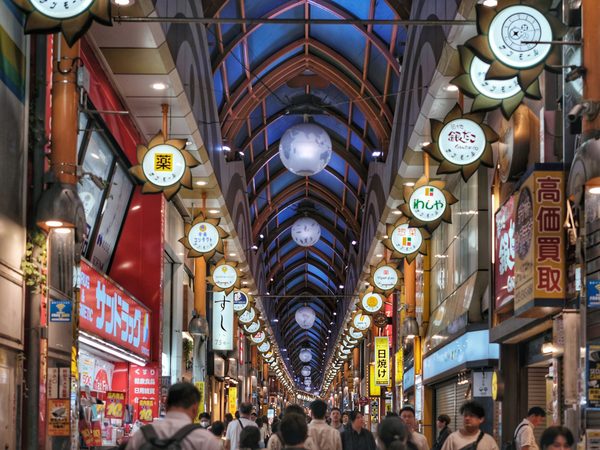
Nakano Sun Mall

The covered shotengai arcade stretching from Nakano Station to Broadway is one of Tokyo's most vibrant shopping streets. Packed with fashion boutiques, drug stores, casual eateries, and 100-yen shops, it offers a slice of everyday Tokyo life that feels refreshingly non-touristy.

💡 The Sun Mall is busiest on weekend afternoons. Come in the morning on a weekday to browse at leisure and spot locals doing their daily shopping.

Nakano Central Park

A modern green oasis developed on the former site of a police academy, this stylish park is flanked by office towers and a university campus. Cherry blossoms in spring and the peaceful fountain plaza make it a perfect contrast to the busy Broadway scene just minutes away.

💡 Combine a Broadway visit with a stroll here to decompress. The park is especially beautiful during cherry blossom season in late March to early April.

Local Secrets

Sanguanji Temple

Tucked away in the quiet residential backstreets south of Nakano Station, this small Buddhist temple is virtually unknown to tourists. The mossy stone lanterns and unhurried atmosphere feel worlds apart from the Broadway buzz, yet it is only a ten-minute walk away.

💡 There is no admission fee and no crowds. Arrive in the early morning to see local elderly residents doing their daily prayers — a deeply authentic Tokyo moment.

Fujimi-cho Retro Street Area

The narrow alleyways just northwest of the station retain a showa-era streetscape with old wooden houses, tiny tofu shops, and neighbourhood izakayas that have barely changed since the 1970s. Almost no tourists wander here, yet it captures old Tokyo more honestly than any theme park.

💡 Walk north along the side streets parallel to Waseda-dori. The further you walk from the station, the more authentic the atmosphere becomes.

Tetsugakudo Park (Nakano side entrance)

While Tetsugakudo Park in neighbouring Numabukuro is listed in some guides, the quiet forest path approaching it from the Nakano side is completely off the tourist radar. The park was built by philosopher Inoue Tetsujiro and filled with eerie Western-style statues dedicated to great thinkers of East and West.

💡 Enter from the Nakano-ku side and explore the atmospheric 『Cave of Oni』 and the spiral hill known as 『Six Realms』 — philosophical allegory meets a surprisingly spooky forest stroll.

Food & Drink

The Classics

Yakitori Alley near Nakano Station

The cluster of tiny yakitori stalls and standing bars on the north side of Nakano Station forms one of Tokyo's most atmospheric evening eating strips. Skewers of chicken, vegetables, and offal are grilled over charcoal right in front of you while salarymen and students toast to the end of the day.

💡 Prices are very reasonable — budget around ¥2,000–¥3,000 per person including drinks. Most stalls open from around 5 PM and close when sold out, so arrive before 7 PM for the best selection.

Nakano Ramen Scene

Nakano punches above its weight in ramen, hosting acclaimed bowls ranging from creamy tonkotsu to complex niboshi (dried sardine) broth. The area around the station's north exit has a concentration of serious ramen shops beloved by locals and ramen enthusiasts.

💡 Look for shops with a 食券 (meal ticket) vending machine at the entrance — this is usually a sign of a dedicated, quality ramen operation. Lunchtime lines form quickly.

Old-School Kissaten Coffee

Nakano has preserved a remarkable number of showa-era kissaten (traditional Japanese cafés) that serve hand-dripped coffee, thick toast, and a sense of stepping back in time. These unhurried spaces are where local manga artists, musicians, and retirees alike linger for hours.

💡 Ask locals for their favourite — many are unmarked on Google Maps. A classic morning set (morning setto) of coffee with thick buttered toast and a boiled egg typically costs around ¥600–¥800.

Local Secrets

Local Soba Shops in the Backstreets

Away from the main shopping street, several family-run soba shops serve hand-cut buckwheat noodles to the same neighbourhood regulars they have served for decades. These are not tourist-facing restaurants — menus may only be in Japanese and the owners may seem surprised to see a foreign face.

💡 Point at what neighbouring customers are eating if you cannot read the menu. A simple zaru soba (cold buckwheat with dipping sauce) is always available and costs approximately ¥700–¥1,000.

Standing Bars (Tachinomi) on North Exit Alleys

The tiny standing bars (tachinomi-ya) that cram into the alleys north of the station are where Nakano's true night-life character emerges. With counter space for perhaps eight people and drinks from around ¥400, these are where after-work locals decompress shoulder-to-shoulder.

💡 Most tachinomi bars welcome solo travellers warmly. A simple 『sumimasen, hitori desu』 (excuse me, one person) at the door is all you need. Cash only at most establishments.

Nakano's Quiet Chinatown Pocket

Unlike Yokohama's famous Chinatown, Nakano has a small and completely unofficial cluster of Chinese-run restaurants and food stalls that serve authentic regional Chinese cuisine — including hand-made dumplings and dan dan noodles — to local Chinese residents rather than tourists.

💡 These spots are concentrated around the area between Nakano Station and Higashi-Nakano. Prices are extremely reasonable and menus sometimes feature regional dishes from Sichuan or Dongbei rarely found in Tokyo's mainstream Chinese restaurants.

Where to Stay

The Classics

Hotel Mets Nakano

A reliable JR-affiliated business hotel directly connected to Nakano Station. Clean, modern rooms with good soundproofing make it an excellent base for exploring both Nakano and central Tokyo, which is just minutes away by the Chuo or Sobu line.

Approximately ¥10,000–¥18,000 per night depending on season and room type.

Toyoko Inn Nakano

A budget-friendly chain hotel near the station offering consistent, practical rooms with free breakfast included. A favourite of solo travellers and those visiting for Broadway shopping marathons who just need a clean, affordable place to sleep.

Approximately ¥7,000–¥12,000 per night including simple breakfast.

Local Secrets

Local Guesthouse in the Residential Area

Several small, locally owned guesthouses and Airbnb-style rental rooms operate in the quiet residential streets south of the station. Staying here puts you in a genuine Tokyo neighbourhood rather than a hotel corridor, with nearby konbini and shotengai access at all hours.

Approximately ¥4,000–¥8,000 per night. Availability varies — book well in advance on major booking platforms.

Hidden Gems

Local Secrets

Mandarake Complex (Nakano Broadway)

The flagship multi-floor Mandarake stores inside Broadway are the world's greatest repository of used manga, anime cels, doujinshi, rare figures, and vintage idol goods. Even if you buy nothing, browsing feels like walking through an archive of Japanese pop culture history.

Nakano Live Music Scene

Nakano has a surprisingly rich live music underground, with small venues like Nakano MOON STEP and Zero hosting indie, jazz, and alternative acts throughout the week. Ticket prices are typically ¥1,500–¥3,000 — a fraction of what similar shows cost in Shibuya or Shinjuku.

Sugorokuya (Analogue Games Shop)

A specialist shop in the Broadway building dedicated entirely to analogue board games, card games, and tabletop RPGs from Japan and around the world. The knowledgeable staff speak some English and can recommend games suitable for non-Japanese speakers — a hidden gem even among Broadway regulars.

Getting There

Nakano Station is served by the JR Chuo Line (Rapid and Local) and the Tokyo Metro Tozai Line, making it directly accessible from Shinjuku (approx. 4 minutes), Tokyo Station (approx. 20 minutes), and Shibuya (approx. 20 minutes via transfer). No special passes are required — a standard IC card (Suica or Pasmo) covers all journeys.

Best Time to Visit

Nakano Broadway is open year-round and is busiest on weekends and public holidays. Weekday mornings offer the most relaxed shopping experience. Spring (late March to early April) is magical for cherry blossoms in Central Park. The Nakano area also hosts a lively summer festival (bon-odori) in August — check local listings for exact dates each year.

Local Tip

Broadway shops enforce strict no-photography rules inside many stores — always check signage before raising your camera. For bargain hunters, the 『junk corner』 boxes found outside several Mandarake stores contain items priced from ¥100 and are worth digging through. Lastly, the coin lockers at Nakano Station fill up fast on weekends — arrive early or use the lockers inside the Broadway basement.