Tokyo

yanesen

Tokyo's Last Old Town — Where Time Forgot to Rush

Yanesen — the trio of Yanaka, Nezu, and Sendagi — is a rare pocket of old Tokyo that survived both the 1923 earthquake and WWII firebombing. Narrow lanes wind past wooden temples, indie craft shops, and cats dozing in the sun, offering a glimpse of shitamachi life that modern high-rises have erased almost everywhere else. Come here to slow down, nibble on street snacks, and feel the city as it once was.

Sightseeing

The Classics

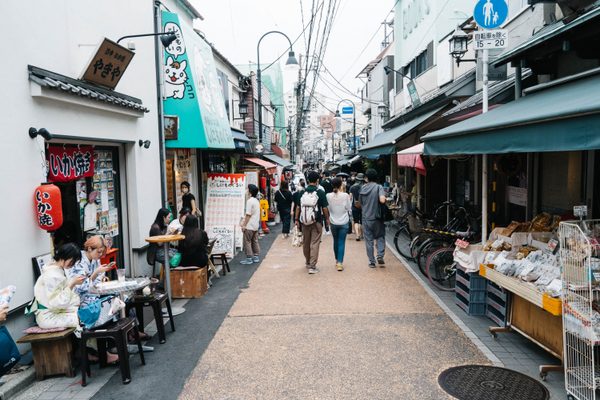
Yanaka Ginza Shopping Street

A lovingly preserved 1950s-style shotengai (shopping arcade) stretching about 170 meters, packed with tofu shops, croquette stalls, and artisan snack vendors. The 'Yuyake Dandan' staircase at the entrance is a classic sunset-watching spot.

💡 Arrive around 3–5 PM on weekdays to avoid weekend crowds and catch the late-afternoon light on the stairs.

Yanaka Cemetery

Far from gloomy, this vast, leafy cemetery is one of Tokyo's best cherry-blossom promenades in spring and a peaceful walking trail year-round. The graves of notable Meiji-era figures and the last Tokugawa shogun add layers of history.

💡 The central avenue is open to the public at all hours — a serene early-morning stroll before the neighborhood wakes up is hard to beat.

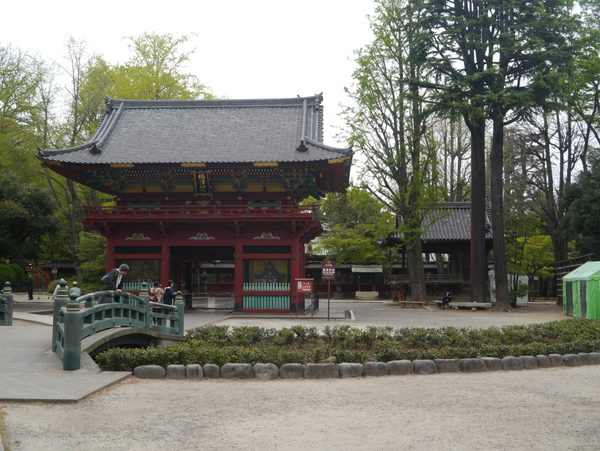
Nezu Shrine

One of Tokyo's oldest shrines, dating to the early 18th century, featuring a tunnel of vermillion torii gates reminiscent of Kyoto's Fushimi Inari but far less crowded. The azalea festival in late April turns the grounds into a blaze of pink and red.

💡 Weekday mornings are almost tourist-free. The shrine is free to enter, though the azalea garden charges a small admission (approx. ¥500) during festival season.

Local Secrets

Daien-ji Temple's 500 Rakan Statues

Tucked behind Sendagi station, Daien-ji houses hundreds of small stone rakan (Buddhist disciple) figures arranged in mossy rows — each face unique, some serene, some almost comical. This moss-covered gallery feels like a secret garden that most visitors completely miss.

💡 There is no admission fee and no ticket booth — just walk through the gate. The statues are said to represent souls lost in the 1772 Meiwa Fire.

Former Yanaka Library (Kyū-Yanaka Toshokan)

A beautifully aged red-brick building from the early Taisho era sitting quietly on a residential lane in Yanaka. It now operates as a small gallery and community space, and its exterior is a favorite of local photographers who rarely share the location online.

💡 The building is at its most photogenic in autumn when fallen ginkgo leaves carpet the path. Check local community boards for occasional open-house events.

Heya-machi Alleyways Behind Nezu

The backstreets immediately west of Nezu Shrine contain some of Tokyo's last intact heya-machi — clusters of tiny row houses originally built for craftsmen and laborers. Walking these lanes feels like stumbling onto a film set for a 1960s drama.

💡 Residents still live here, so walk quietly and refrain from peering into windows. The area around Nishi-Nippori station entrance #3 is a good starting point.

Food & Drink

The Classics

Kototoi Dango (Yanaka Ginza stalls)

Mitarashi dango — sweet soy-glazed rice dumplings — skewered and grilled to order are the quintessential Yanaka Ginza snack. Several stalls along the street sell them fresh, and eating while walking (aruki-gui) is not only accepted but encouraged here.

💡 A skewer typically costs around ¥100–¥150. Buy from whichever stall has the longest local queue — that's your freshness indicator.

Kayaba Coffee

A beloved kissaten (old-school Japanese coffee shop) that dates to 1938, lovingly restored and reopened by a neighborhood cooperative after nearly closing permanently. The egg sandwich on thick toast with a hand-drip coffee is a local institution.

💡 Queues form early on weekends. Arrive right at opening (approx. 8 AM) or after 2 PM for the shortest wait. Cash only.

Neko no Tobira (and Yanaka's cat-themed shops)

Yanaka is famously Tokyo's 'Cat Town,' and numerous small cafés and shops celebrate the neighborhood's free-roaming feline residents. Neko no Tobira sells cat-motif ceramics and goods made by local artists — ideal for unique, non-mass-produced souvenirs.

💡 Real cats are easier to spot early morning or late afternoon near the cemetery and the quieter temple alleys — no café admission required.

Local Secrets

Sanyodo Sake Shop

A no-frills neighborhood sake specialist on a backstreet in Yanaka, run by the same family for generations. They stock small-batch regional brews rarely found in tourist-area liquor stores, and the owner will happily recommend something to match your palate.

💡 The shop keeps irregular hours — roughly early afternoon to evening on weekdays. Bring cash and point at what interests you; the owner speaks limited English but is very welcoming.

HAGISO

Originally a condemned wooden apartment building from the 1950s saved by art students who held a farewell exhibition — and the exhibition was so popular it became permanent. Now a micro arts complex with a gallery, café, and architecture studio under one roof, HAGISO is the creative heart of the neighborhood.

💡 The café serves simple, well-crafted seasonal food at reasonable prices (approx. ¥1,000–¥1,500 for lunch). Worth visiting even if no exhibition is running — the building itself is the art.

Matsunoya (Old-style Tofu Shop)

One of a dying breed of neighborhood tofu-ya that still makes fresh tofu on the premises every morning. The silken tofu here is worlds apart from supermarket versions, and a bowl of warm yudofu (simmered tofu) is a perfect cold-weather breakfast.

💡 Stock is limited and sells out by late morning. Arrive before 10 AM on weekdays. A block of premium tofu costs roughly ¥200–¥350.

Where to Stay

The Classics

Sawanoya Ryokan

A family-run ryokan that has welcomed backpackers and culture-curious travelers for decades, sitting right in the heart of Yanaka. Tatami rooms, shared hinoki-wood baths, and an owner who gives hand-drawn neighborhood maps make this one of Tokyo's most human-scale lodging experiences.

Approx. ¥8,000–¥12,000 per person per night (room only)

Guesthouse Iori (Yanaka)

A converted machiya townhouse offering private rooms and dormitory beds in a setting that puts you immediately into the Yanaka streetscape. Common areas encourage mingling between guests of all nationalities.

Approx. ¥4,000–¥7,000 per night depending on room type

Local Secrets

HANARE (by HAGISO)

The same team behind HAGISO converted an entire old townhouse one block away into a unique accommodation where guests 'use the whole neighborhood as their hotel' — breakfast is served at HAGISO, the public bathhouse is your bath, and local spots are your amenities. Utterly unlike any hotel experience in Tokyo.

Approx. ¥15,000–¥25,000 per room per night

Hidden Gems

Local Secrets

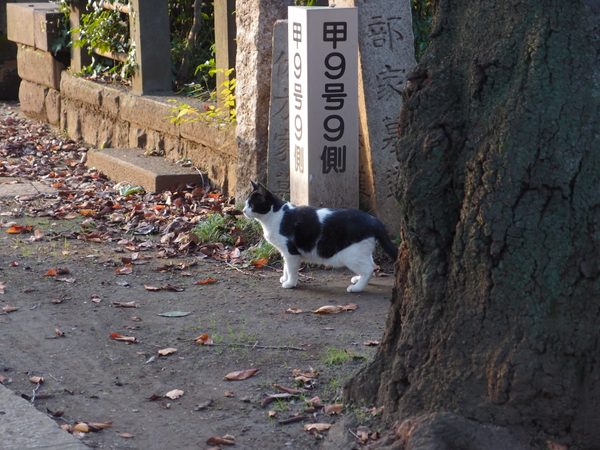
Yanaka's Free-Roaming Cats

Unlike the scripted experience of a cat café, Yanaka's cats are genuinely wild or semi-feral community cats that lounge on temple walls and wander the cemetery freely. Spotting and photographing them is a quiet, unhurried pleasure that no tour operator can package.

Yuyake Dandan Sunset View

The stone staircase at the north end of Yanaka Ginza earns its name — 'Sunset Stairs' — on clear evenings when the low western sun silhouettes rooftops and power lines in classic shitamachi style. Locals gather here quietly; no entrance fee, no tour guide needed.

Kikuzaka Slope and Hidden Shrines

The gentle slopes connecting Yanaka to Sendagi are lined with pocket-sized neighborhood shrines, old stone lanterns, and hand-lettered signboards — a self-guided micro-discovery walk that rewards slow wandering over any fixed itinerary.

Getting There

The most convenient stations are Nippori (JR Yamanote Line, Keisei Line) and Sendagi or Nezu (Tokyo Metro Chiyoda Line). From central Tokyo (Shinjuku or Shibuya), allow about 30–40 minutes. The entire Yanesen area is very walkable — comfortable shoes are recommended as the terrain includes gentle hills and cobblestone paths.

Best Time to Visit

Late March to early April for cherry blossoms in Yanaka Cemetery; late April for the Nezu Shrine azalea festival; October to November for autumn foliage. Summer is warm and humid but the shaded lanes and temple grounds offer relief. Weekday mornings are the least crowded at any time of year.

Local Tip

Yanesen has no major department store, no chain convenience store on every corner, and no rush — that's the point. Carry some cash since many small shops and the ryokan do not accept cards. If you see a cat, let it approach you rather than chasing it; the locals will appreciate your manners more than you know.