Tokyo

akihabara

Tokyo's Electric Town: Where Anime, Games, and Tech Collide

Akihabara is Tokyo's legendary district for electronics, anime, manga, and gaming culture. From towering multi-floor hobby shops to retro game stores tucked in narrow alleys, it is a paradise for pop culture enthusiasts. Whether you are a hardcore otaku or simply curious, Akihabara delivers an experience unlike anywhere else on Earth.

Sightseeing

The Classics

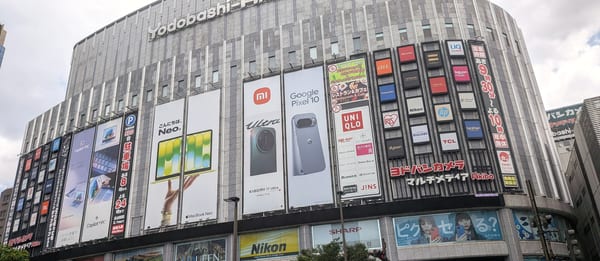
Yodobashi-Akiba

A massive nine-floor electronics and hobby megastore that anchors Akihabara's commercial scene. You can find everything from the latest laptops and cameras to model kits and gaming peripherals under one roof.

💡 Visit the upper floors for hobby goods and figures — prices are often slightly cheaper than smaller specialty shops nearby.
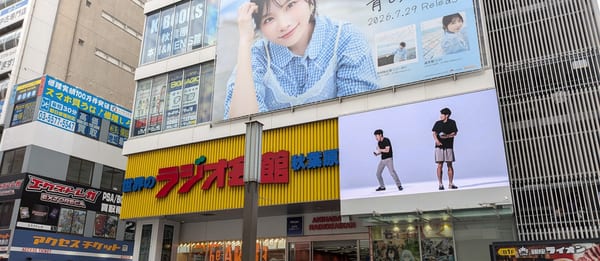
Akihabara Radio Kaikan

One of the oldest and most iconic buildings in Akihabara, packed with specialty shops selling figures, trading cards, doujinshi, and vintage anime merchandise across multiple floors.

💡 Take the elevator and explore each floor slowly — tiny booths often hold rare finds that larger stores no longer stock.

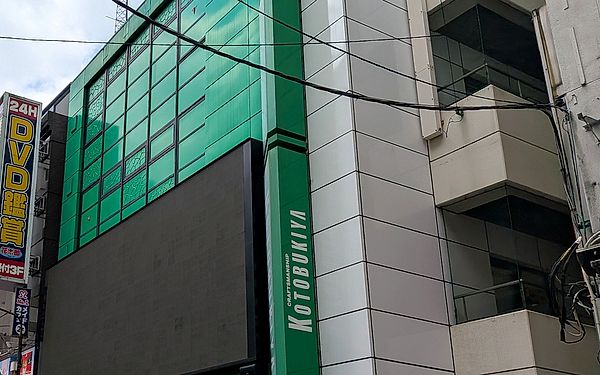
Kotobukiya Akihabara

The flagship store of the renowned figure and model kit manufacturer Kotobukiya. Browse exclusive releases, limited editions, and even assembled display pieces that showcase the brand's craftsmanship.

💡 Check their official website before visiting for any same-day limited release events, which can sell out within minutes of opening.

Local Secrets

Game Arage (Retro Game Alley Shops)

Tucked in the narrow alleys east of Chuo-dori, a cluster of small independent retro game shops sell Famicom cartridges, old PC-98 software, and obscure console hardware. There are no signs in English and bargaining culture is quietly alive here.

💡 Arrive on weekday mornings when shop owners are restocking — that is when the freshest old-stock items appear before regulars snatch them up.

Mandarake Complex

While the building itself is fairly known, the basement floor is a genuine local secret: an entire section dedicated to vintage doujinshi, old-school anime cels, and hand-drawn production art from 1980s and 90s anime studios.

💡 The basement opens slightly later than upper floors — ask staff directly if you are looking for specific production materials, as not everything is on display.

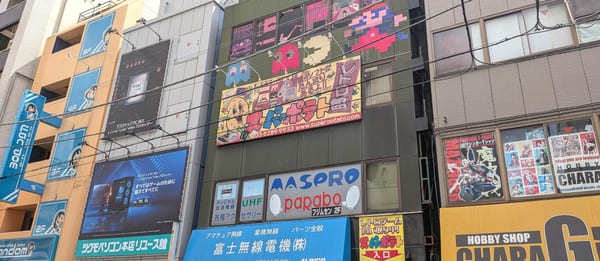
Super Potato Akihabara

A retro game mecca spread across several floors of a narrow building, selling everything from Atari cartridges to rare Japanese-only console releases. The top floor houses a tiny working retro game arcade that most tourists never find.

💡 The rooftop arcade charges only about 100 yen per play — sit down, enjoy a vintage game, and soak in the nostalgic atmosphere away from the crowds below.

Food & Drink

The Classics

Kanda Matsuya

A historic soba restaurant established in 1884, just a short walk from Akihabara. The handmade buckwheat noodles have been served in the same traditional style for generations, offering a genuine taste of old Tokyo.

💡 Order the 『tenzaru』 — tempura and cold soba — for the most authentic and satisfying combination on the menu.

AKB48 Cafe and @home maid cafe

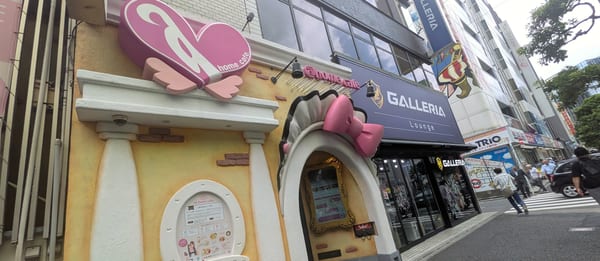
@home cafe is one of Akihabara's longest-running and most welcoming maid cafes, where staff in maid costumes serve food and perform mini-games and cheers with guests. An iconic cultural experience unique to this neighborhood.

💡 There is typically a table charge of around 700 yen per person in addition to food costs — budget accordingly and enjoy the interaction rather than just the food.

Maidreamin Akihabara

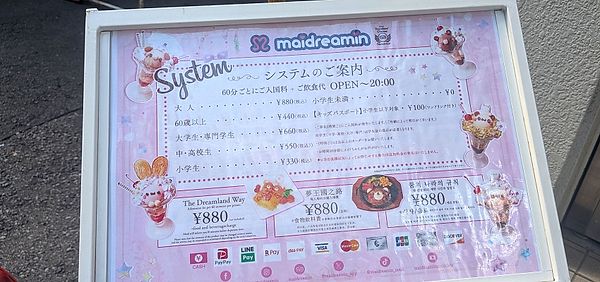
One of the largest maid cafe chains in Akihabara with multiple branches in the area. Colorful, lively, and beginner-friendly, it offers photo opportunities and performative service that has become synonymous with Akihabara's identity.

💡 Purchasing a photo with a maid is a separate paid option — decide in advance if that is something you want, as it can add up quickly.

Local Secrets

Kanda Ibis

A tiny, counter-only curry restaurant hidden in a side street near Akihabara station, beloved by local office workers and hobbyists. The deeply spiced Japanese-style curry has barely changed in decades and draws a quiet cult following.

💡 There are only about eight seats and no reservations — arrive just before 11:30 AM to beat the lunch crowd and avoid a long wait on the narrow staircase.

Shokudo-en (食堂苑)

A Korean yakiniku grill restaurant that has been operating near Akihabara for decades, mostly patronized by locals and rarely reviewed online in any language other than Japanese. The quality-to-price ratio is exceptional by Tokyo standards.

💡 The lunch sets are roughly half the price of dinner — come between 11:30 AM and 2:00 PM on a weekday for the best value.

Kanda Underground Food Stalls (Sotobori-dori area)

A handful of old-school standing oden and yakitori stalls operate under and around the elevated rail tracks near Kanda, just minutes from Akihabara. These spots serve salarymen and local regulars and have no tourist-facing signage.

💡 Go after 6:00 PM on weekdays — pointing at items works perfectly well, and a beer with three skewers typically costs around 1,000 yen total.

Where to Stay

The Classics

APA Hotel Akihabara-Eki Higashi

A reliable and centrally located business hotel just a few minutes' walk from Akihabara station. Compact but efficiently designed rooms are well-suited for travelers who plan to spend most of their time exploring the area.

Approximately 8,000–14,000 JPY per night depending on season and room type.

Dormy Inn Akihabara

A mid-range business hotel offering the rare bonus of a natural hot spring bath on the upper floor — an unexpected luxury in the middle of Electric Town. Rooms are clean and modern, and a late-night ramen service is included for guests.

Approximately 10,000–18,000 JPY per night. The natural hot spring and complimentary midnight ramen add strong value.

Local Secrets

Book and Bed Tokyo Akihabara

A concept hostel where guests sleep inside built-in bookshelves surrounded by thousands of manga and novels. The sleeping pods are compact but ingeniously designed, and the atmosphere is deeply immersive for book and manga lovers.

Approximately 4,000–6,000 JPY per night for a pod-style bunk — ideal for solo travelers who want a uniquely Akihabara experience.

Hidden Gems

Local Secrets

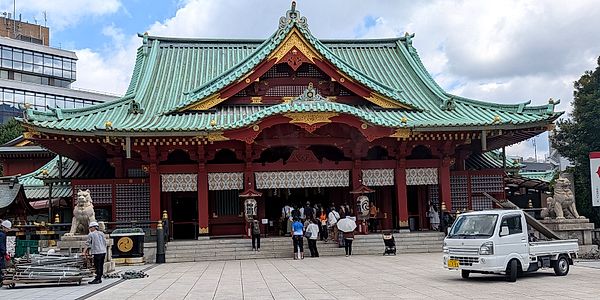
The Back-Alley Route to Kanda Myojin Shrine

Most visitors miss the gentle uphill path from Akihabara's back streets that leads directly to Kanda Myojin, a shrine that is the spiritual patron of Akihabara's tech and otaku culture. Early morning visits before 8:00 AM are extraordinarily peaceful.

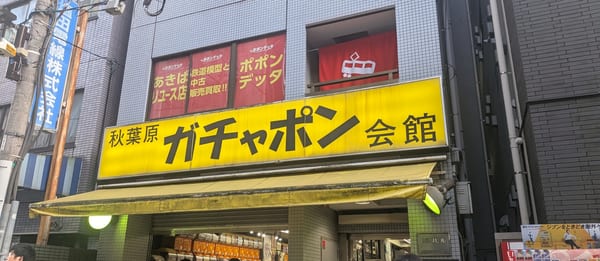
Gachapon Kaikan

A building near Akihabara station dedicated entirely to hundreds of capsule toy vending machines (gachapon). The sheer variety — from miniature food replicas to bizarre mascot characters — is staggering and each machine costs only around 200–500 yen.

Kanda River Evening Walk

Following the Kanda River westward from Akihabara in the evening reveals a quieter, illuminated side of the city that contrasts beautifully with the neon chaos of the main streets. Cherry blossoms line the river in spring.

Getting There

Akihabara Station is served by the JR Yamanote and Keihin-Tohoku lines as well as the Tokyo Metro Hibiya Line (Akihabara Station). From Tokyo Station, it is one stop on the Keihin-Tohoku Line (about 3 minutes). From Shinjuku, take the JR Sobu Line directly (about 15 minutes). IC cards such as Suica or Pasmo are the most convenient payment method.

Best Time to Visit

Weekday afternoons (Tuesday through Friday, 2:00 PM–6:00 PM) offer the best balance of open shops and manageable crowds. Weekends draw large crowds, especially on Sunday when Chuo-dori is closed to traffic and becomes a pedestrian street. Late summer and winter holiday seasons coincide with major anime and game release events.

Local Tip

Prices on figures and merchandise vary significantly between shops within the same block — it is worth checking two or three stores before purchasing. Many smaller shops accept only cash. If you are buying electronics to use overseas, always confirm the voltage compatibility and warranty terms before purchasing, as most Japanese electronics are designed for 100V.