Tokyo

kameido

Plum blossoms, dumplings, and the soul of old Tokyo

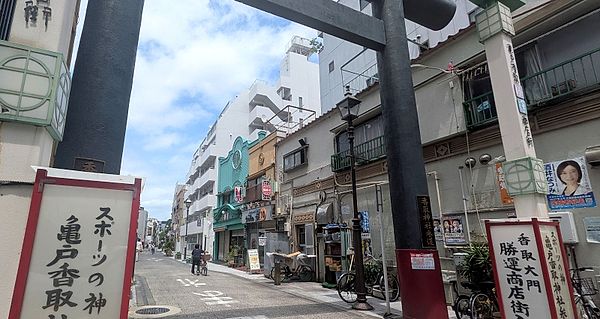
Kameido is a quietly charming downtown neighbourhood east of the Sumida River, best known for its magnificent Kameido Tenjin Shrine and its beloved local gyoza culture. Unlike its flashier neighbour Kinshicho, Kameido has kept the warmth and pace of the old shitamachi, where locals still shop at covered shotengai arcades and gather at unpretentious eateries. Come for the wisteria or plum blossoms, stay for the dumplings and the unhurried atmosphere.

Sightseeing

The Classics

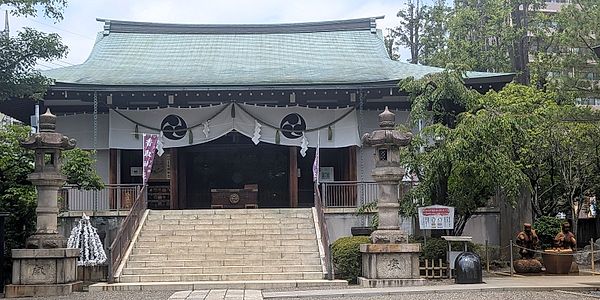
Kameido Tenjin Shrine

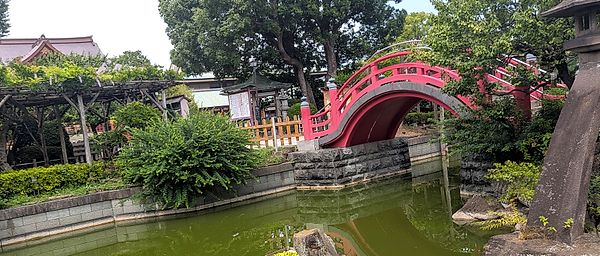
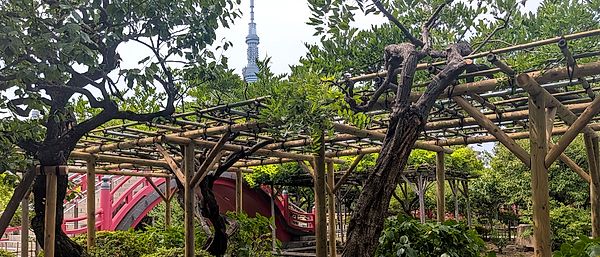
One of the most photogenic shrines in Tokyo, dedicated to Sugawara no Michizane, the deity of learning. The arched drum bridges reflected in the lotus pond are iconic, and the wisteria festival in late April draws enormous crowds with cascades of purple blooms.

💡 Arrive just after 8 AM on a weekday during wisteria season to beat the crowds. The shrine is free to enter; the nearby vendors sell excellent mitarashi dango.

Kameido Shopping Arcade (Kameido Sunamo area)

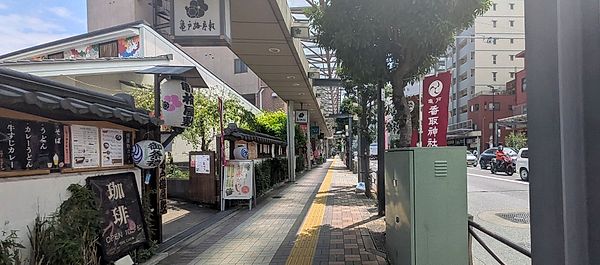
The covered shotengai stretching north from Kameido Station is a living slice of old Tokyo retail culture. Independent fishmongers, tofu shops, and old-school confectionery stores line the arcade alongside newer cafes, offering a genuine neighbourhood shopping experience.

💡 Visit on Saturday morning when produce stalls are busiest and the arcade has the most energy. It is a great place to pick up locally made pickles and Japanese sweets at everyday prices.

Plum Blossoms at Kameido Tenjin

Before Ueno or Shinjuku Gyoen fill up, Kameido Tenjin hosts one of the earliest and loveliest plum blossom viewings in Tokyo. The Ume Matsuri festival is held in February when dozens of plum trees around the pond burst into pink and white.

💡 The plum festival is far less crowded than the wisteria festival, making it ideal for calm photography. Combine it with a morning walk along the Kyu-Nakagawa river nearby.

Local Secrets

Kyu-Nakagawa Riverside Walk

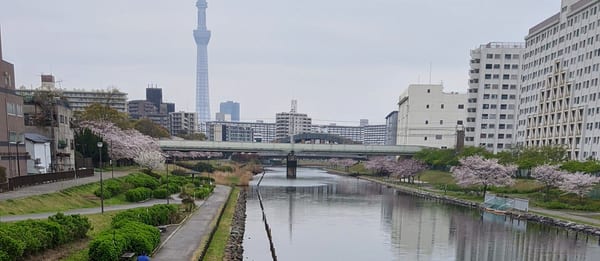
A tranquil oxbow lake park formed by a rerouted section of the Nakagawa River, just a 10-minute walk from the shrine. Almost entirely unknown to tourists, it is a favourite jogging and picnic spot for local families. Cherry blossoms here are gorgeous and virtually crowd-free.

💡 There are no major signs in English, so use the landmark 『旧中川・川の駅』 on maps. Bring a convenience store lunch and eat by the water for a truly local experience.

Kameido Water Tower View (Edo River Control Basin)

The massive Kyu-Edogawa flood control basin on the eastern edge of Kameido offers a surreal, almost post-industrial landscape that photographers love. The geometric concrete structures and vast open water reflect clouds and nearby Skytree in unexpected ways.

💡 This area is publicly accessible from the riverbank paths. Best visited at golden hour when the concrete takes on a warm glow and Skytree lights up in the background.

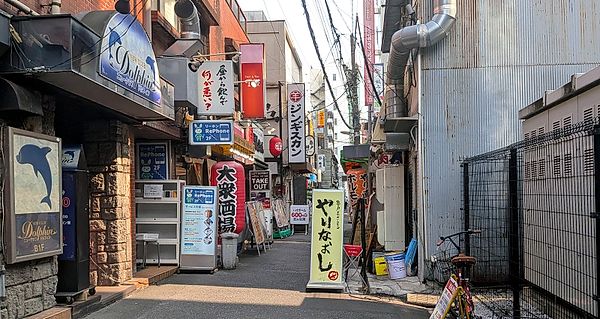
10-bangai Retro Alley

A cluster of tiny, decades-old standing bars and grilled offal joints tucked just behind the main shopping street. This atmospheric alley feels completely unchanged since the 1970s and is frequented almost exclusively by local salarymen and long-time residents.

💡 Most places open around 5 PM and are cash-only. Look for the small red lanterns. Pointing at the food on the counter and holding up fingers for quantity is perfectly acceptable ordering etiquette here.

Food & Drink

The Classics

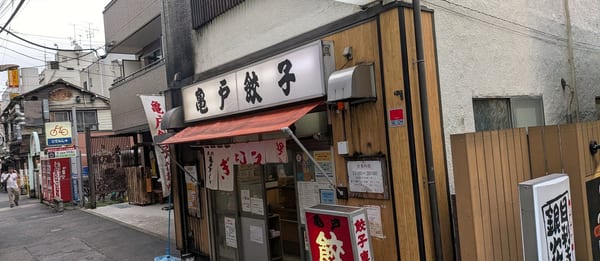
Minmin Gyoza

The most iconic gyoza shop in Kameido, open since 1953. Minmin serves thin-skinned, generously filled pan-fried dumplings that locals have queued for across generations. The menu is wonderfully simple: gyoza, beer, and a few side dishes.

💡 Expect a queue at lunch and dinner; the line moves quickly. Each order is six pieces and incredibly affordable — budget roughly 300 to 500 yen per plate. Cash only.

Local Kameido Sushi Counters

Several small family-run sushi restaurants near the shrine serve traditional Edomae-style sushi at prices far below central Tokyo. These are neighbourhood institutions catering to local regulars, not tourists, giving you an authentic old-school sushi experience.

💡 Look for shops displaying the day's catch on a small blackboard outside. Lunch sets are typically available for around 1,000 to 1,500 yen and represent excellent value.

Kameido Daifuku (Shrine Stall Sweets)

The stalls lining the approach to Kameido Tenjin sell traditional wagashi including soft daifuku, mitarashi dango, and seasonal sweets made with shrine-adjacent craftsmanship. During festivals, limited-edition sweets featuring wisteria or plum motifs appear.

💡 Buy and eat immediately; these are made fresh and taste best warm. The dango from the stall just inside the first torii gate is particularly popular with regulars.

Local Secrets

Local Horumon Yakiniku Joints

Kameido has a long tradition of inexpensive horumon (grilled offal) restaurants, a legacy of the area's working-class history. These rough-and-ready spots serve beautifully charcoal-grilled intestines, heart, and tongue at prices that seem impossible by Tokyo standards.

💡 These places have no English menus. The phrase 『おすすめは何ですか?』 (What do you recommend?) will get you pointed toward the best items. Bring cash and an appetite.

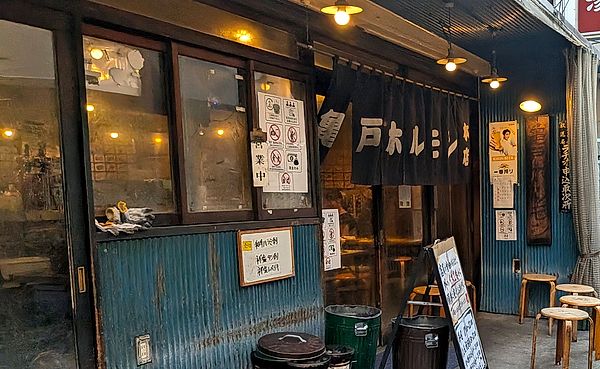
Old-School Ramen in the Back Streets

A handful of tiny, counter-only ramen shops hiding in the residential streets south of Kameido Station serve a style of shoyu ramen unchanged for decades — clear, slightly sweet broth with hand-cut noodles that is quintessential shitamachi flavour.

💡 These shops typically open for lunch only (around 11 AM to 2 PM) and close when the pot is empty, sometimes as early as 1 PM on weekdays. Arrive before noon to be safe.

Handmade Rice Cracker Shops

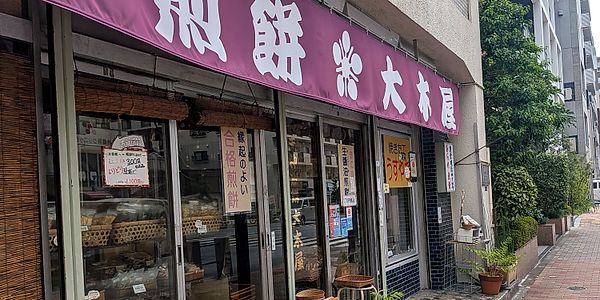
One or two old senbei makers still operate in the Kameido shotengai, hand-grilling rice crackers on small gas grids the old-fashioned way. The smell drifting out into the arcade is irresistible, and crackers are sold warm by the piece.

💡 Ask for 『焼きたて』 (yakitate, freshly grilled) and the shopkeeper will hand you one straight from the grill. A few crackers make an ideal inexpensive snack for shrine visits.

Where to Stay

The Classics

Remm Plus Kinshicho (gateway to Kameido)

A well-reviewed business hotel in adjacent Kinshicho, directly connected to the station and a 10-minute walk or one-stop bus ride from Kameido. Clean, compact rooms with excellent transport links to both east and central Tokyo.

Approximately 10,000 to 16,000 yen per night

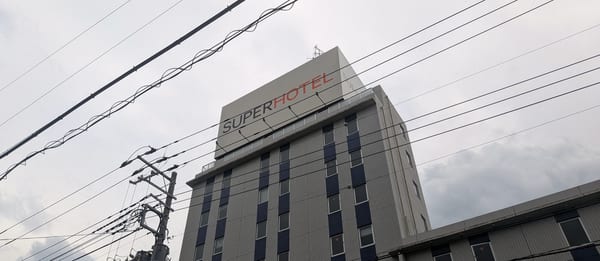
Super Hotel Tokyo Kameido

A reliable, affordable chain hotel directly in Kameido, walking distance from the shrine and gyoza shops. Rooms are small but well-maintained, and the natural hot spring bath in the basement is a welcome bonus after a day of sightseeing.

Approximately 7,000 to 11,000 yen per night

Local Secrets

Small Guesthouses near Kameido Tenjin

A small number of family-run guesthouses and renovated machiya townhouse stays have appeared in the streets immediately around the shrine. Staying here means waking to the sound of the shrine bell and walking to morning gyoza before any tourist buses arrive.

Approximately 5,000 to 9,000 yen per night; check current listings on booking platforms as availability changes

Hidden Gems

Local Secrets

Taiko-bashi Drum Bridge at Dawn

The iconic arched bridges of Kameido Tenjin are photographed millions of times during festival season, but virtually no one visits at 6 AM on a weekday. You will often have the entire reflective pond to yourself — an extraordinarily serene urban moment.

Vintage Shotengai Kissaten

Hidden inside the shopping arcade are one or two old-fashioned kissaten (kissaten-style coffee shops) that have been serving hand-drip coffee and toast sets to the same neighbourhood regulars since the Showa era. A perfect slow-morning stop before the shrine.

Skytree View from Kameido Tenjin Pond

Tokyo Skytree rises dramatically behind the shrine torii when viewed from the pond's edge, creating one of the most beautiful juxtapositions of old and new Tokyo. This angle is popular with local photographers but rarely featured in mainstream travel guides.

Getting There

Kameido Station is served by the JR Chuo-Sobu Line (about 3 minutes from Kinshicho, 15 minutes from Akihabara) and the Tobu Kameido Line. From Asakusa, take the Tobu Kameido Line directly in about 15 minutes. Kameido Tenjin Shrine is an 8-minute walk from the station's north exit.

Best Time to Visit

Late February for the Plum Festival (quiet and atmospheric) and late April for the Wisteria Festival (spectacular but crowded). Ordinary weekday mornings are ideal year-round for experiencing the neighbourhood without crowds.

Local Tip

Kameido is best explored on foot — the shrine, shotengai, gyoza shops, and riverbank are all within easy walking distance. Avoid visiting Minmin Gyoza at prime dinner hours (6 to 8 PM) unless you enjoy queuing. Many small shops are closed on Mondays.