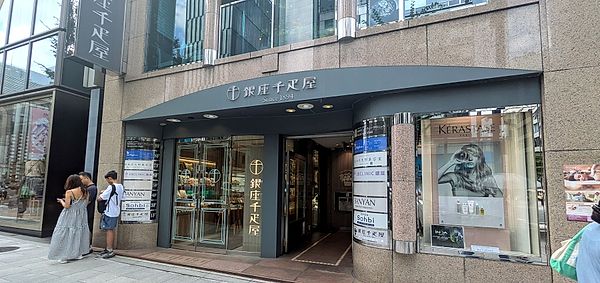
Tokyo

ginza

Tokyo's Most Glamorous Address

Ginza is Tokyo's premier luxury shopping and dining district, where world-renowned brands stand alongside century-old Japanese establishments. Tree-lined Chuo-dori transforms into a pedestrian paradise on weekends, while hidden basement bars and Michelin-starred counters reward those who look beyond the gleaming facades.

Sightseeing

The Classics

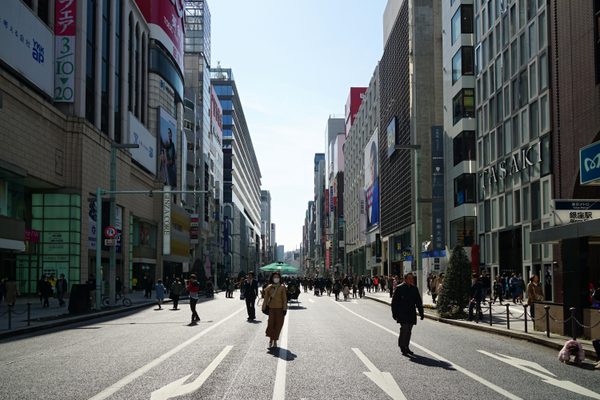
Chuo-dori Promenade

The spine of Ginza stretches from Shimbashi to Kyobashi, lined with flagship stores of Louis Vuitton, Chanel, and Cartier alongside Japanese heritage brands. On weekends and public holidays, the street closes to traffic and becomes a leisurely pedestrian mall known as 'Hokosha Tengoku.'

💡 Visit on a Sunday afternoon when the street is car-free. The golden-hour light on the glass towers around 4–5 PM makes for spectacular photos.
Itoya Ginza

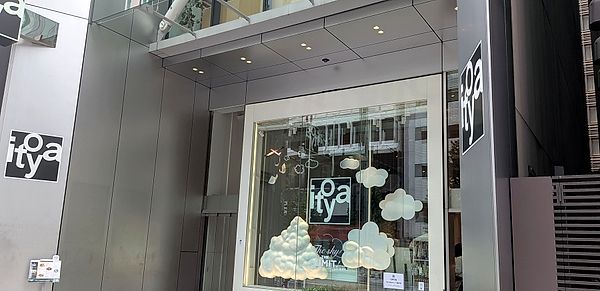
A 12-story stationery landmark operating since 1904, Itoya is far more than a paper shop. Each floor is dedicated to a different creative category — fountain pens, travel goods, handmade washi, fresh flowers, and even a rooftop farm. A pilgrimage site for design lovers worldwide.

💡 The basement floors stock rare Japanese washi and custom letterpress cards. Ask staff to show you the 'Kakimori'-style ink-blending bar on the upper floors.

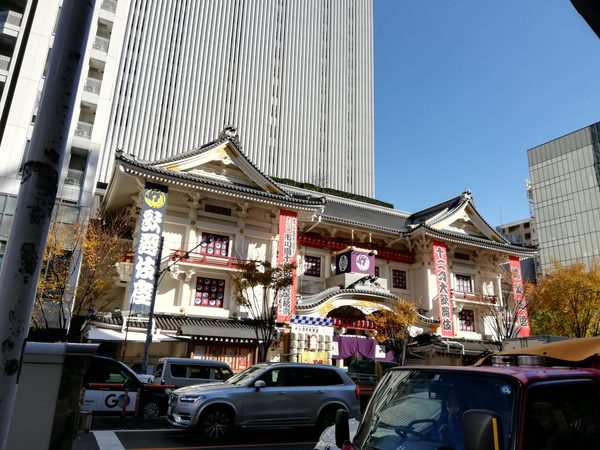
Kabuki-za Theatre

The spiritual home of kabuki, Tokyo's iconic performing art, this grand 2013-rebuilt theatre on Harumi-dori hosts full-day and single-act performances year-round. The striking Momoyama-style facade is a Ginza landmark in its own right.

💡 Single-act tickets (hitomaku-mi) are sold on the day from the side entrance for roughly ¥1,000–¥2,500, making it easy to catch one act without committing to a full program.

Local Secrets

Gassan Knives Ginza Showroom

Tucked inside the Ginza Six building, the Gassan atelier showcases museum-quality Damascus and hagane kitchen knives forged by a 800-year-old Osaka sword-making lineage. Staff will explain the lamination layers and let you handle blades rarely seen outside professional kitchens.

💡 This is not a typical tourist shop. Ask about the 『tamahagane』 series made from traditional Japanese steel — pieces start around ¥50,000 and are genuine collector items.

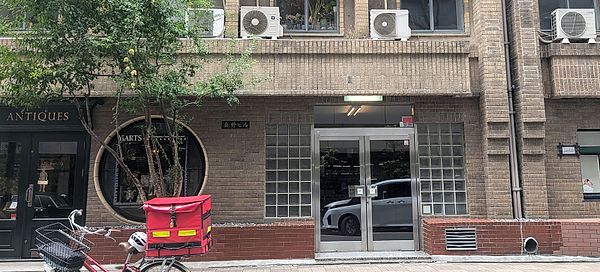
Okuno Building

Built in 1932, this Art Deco apartment block on Chuo-dori is the oldest residential building in Ginza and now houses over 30 tiny artist studios and galleries across its upper floors. Unlike the polished commercial galleries nearby, works here are raw, personal, and often surprisingly affordable.

💡 There is no single admission. Wander up the narrow staircase and knock on open doors — most artists welcome visitors, especially on weekend afternoons.

Ginza Graphic Gallery (ggg)

Run by DNP (Dai Nippon Printing), this free gallery in the basement of the DNP Ginza Building quietly stages some of Tokyo's most thoughtful graphic design exhibitions — master illustrators, typographers, and poster artists with little fanfare and zero crowds.

💡 Entry is free. Exhibitions rotate roughly every month and are often monographic shows of legendary Japanese designers like Ikko Tanaka or Yusaku Kamekura. Check the ggg website before visiting.

Food & Drink

The Classics

Kyubey Sushi

Founded in 1936, Kyubey is credited with inventing the hand-rolled gunkan-maki style of sushi. The Ginza main restaurant remains one of the most approachable high-end sushi counters in the city, where master chefs work at intimate 8-seat hinoki counters.

💡 Lunch omakase starts around ¥15,000–¥20,000, roughly half the dinner price. Book at least two weeks ahead online via their official site.

Robata Ginza Okamoto

A beloved robatayaki (fireside grilling) institution where the chef passes skewered fish, vegetables, and wagyu over the open hearth on a long wooden paddle. Rustic and theatrical in equal measure — a sharp contrast to Ginza's polished exterior.

💡 Dinner for two with drinks typically runs ¥10,000–¥16,000. Counter seats facing the hearth are the best in the house; request them when reserving.

Sembikiya Fruit Parlour

Japan's most famous luxury fruit shop, founded in 1834, sells muskmelons, perfect strawberries, and Shine Muscat grapes that make extraordinary gifts. The upstairs parlour serves fruit parfaits and melon plates that are lavish, photogenic, and surprisingly meaningful in Japanese gift culture.

💡 A single parfait is around ¥3,000–¥5,000. Gift melons can be shipped overseas with proper phytosanitary packaging — ask at the counter.

Local Secrets

Bar Rockfish

A legendary tiny standing bar on Ginza 5-chome that opened in 2002 and is famous for a single dish: the 『half-and-half』 — half a cold Sapporo draft and half a creamy foam poured with almost religious precision. Beloved by Ginza salarymen and off-duty chefs alike.

💡 Opens around 3 PM. There are only a handful of standing spots; arrive early or accept a short wait. Cash only, and a round with snacks is usually under ¥2,000.

Yonehana Lunch Counter (米花)

Hidden inside the Tsukiji outer market area on the edge of the Ginza district, this tiny counter has served the same rotating set lunch — grilled fish, rice, pickles, miso — to market workers and loyal locals since the 1970s. It is the antithesis of everything Ginza represents, and utterly charming for it.

💡 Opens at 5 AM and typically sells out by 9–10 AM. This is genuinely an early-morning destination; arrive hungry and without plans for the rest of the morning.

Cafe de l'Ambre

Opened in 1948 by the legendary Ichiro Sekiguchi, who began roasting coffee in his 80s, this unchanged Showa-era kissaten on Ginza 8-chome serves aged coffees stored for up to 30 years. The interior — dark wood, antique grinders, cigarette-smoke patina — has not changed in decades.

💡 Order the 『Blanc et Noir』 (black coffee poured over fresh cream) or ask about the aged single-origin selection. Sekiguchi-san passed away in 2018 at age 103; his team maintains every recipe exactly.

Where to Stay

The Classics

The Peninsula Tokyo

Positioned at the Hibiya intersection overlooking the Imperial Palace moat, The Peninsula is consistently ranked among Asia's finest city hotels. Rooms blend Art Deco detailing with Japanese craft materials, and the rooftop Peter restaurant offers one of Tokyo's most dramatic skyline views.

From approx. ¥120,000/night for a standard room; suites considerably higher.

Bulgari Hotel Tokyo

Opened in 2023 on the upper floors of the Tokiwa Bridge Tower, this is Bulgari's most architecturally striking property, designed with deep references to Japanese wabi-sabi aesthetics. The Il Ristorante–Niko Romito serves exceptional Italian-Japanese cuisine, and the spa is the finest in the city.

From approx. ¥200,000/night; expect considerably more for suites and peak season.

Local Secrets

Ginza Nine Serviced Apartments

A quiet secret among long-stay travelers, these compact but well-appointed serviced apartments on Ginza 9-chome put you in the middle of the action at a fraction of luxury hotel prices. Minimal lobby fanfare, kitchen facilities, and a neighborhood convenience store on the ground floor make this ideal for a week-long stay.

From approx. ¥20,000–¥35,000/night depending on season and room type.

Hidden Gems

Local Secrets

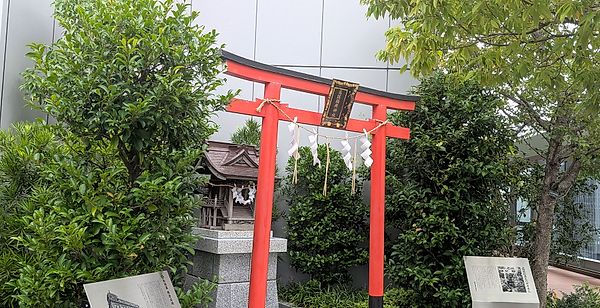
Ginza Inari Shrine (銀座稲荷神社)

A tiny vermilion shrine hidden on the 7th floor rooftop garden of the Ginza Six department store, completely invisible from the street below. Surrounded by greenery 35 meters above Chuo-dori, it is one of the most surreal and peaceful spots in central Tokyo.

Tokyo University of the Arts Ginza Gallery

A free exhibition space run by Tokyo Geidai on Ginza 7-chome that hosts degree shows and faculty exhibitions from Japan's most prestigious arts university. Completely off the tourist radar and a genuine window into cutting-edge Japanese fine art.

Sakamoto Lacquerware (坂本これくしょん)

A third-generation urushi lacquerware specialist on a quiet Ginza side street where you can commission custom pieces or purchase one-of-a-kind bowls, trays, and sake cups that are functional museum-quality objects. The owner speaks enough English to explain each piece's regional technique.

Getting There

Ginza Station is served by three subway lines: Ginza Line, Hibiya Line, and Marunouchi Line — all stop directly at 'Ginza' station. From Narita Airport, take the Narita Express to Tokyo Station (approx. 60 min, ¥3,070), then transfer to the Marunouchi Line (2 stops, 4 min). From Haneda Airport, the Tokyo Monorail or Keikyu Line reaches Hamamatsucho or Shinagawa in 20–30 min, then subway to Ginza in a further 10–15 min.

Best Time to Visit

Ginza is engaging year-round, but late March to early April (cherry blossom season) and November (autumn illuminations on Chuo-dori) are particularly atmospheric. Summer evenings are vibrant with rooftop bar crowds. Avoid the first week of January when many boutiques and restaurants close for the New Year.

Local Tip

Many Ginza boutiques — including several Japanese jewelers and leather goods makers — offer complimentary gift wrapping in premium Japanese washi paper that is itself a work of art. Always ask for 'tsutsumi' (wrapping) even for small purchases. Also, the covered arcades of Ginza 5-chome connecting to Higashi-Ginza station are lined with tiny specialist shops (lacquer, fans, woodblock prints) that most visitors walk straight past.