Tokyo

shinagawa

Named Shinagawa, addressed in Minato Ward — the old post town is a kilometre from here

Shinagawa is the gateway to southern Tokyo, where the shinkansen meets the Yamanote Line. It is an office-tower business district that carries an odd twist: the station is not actually in Shinagawa Ward but in Takanawa, Minato Ward. Opened in 1872 as one of Japan’s first railway stations, it now has an aquarium, hotels and green space clustered around the platforms.

Sightseeing

The Classics

Maxell Aqua Park Shinagawa

6min walk

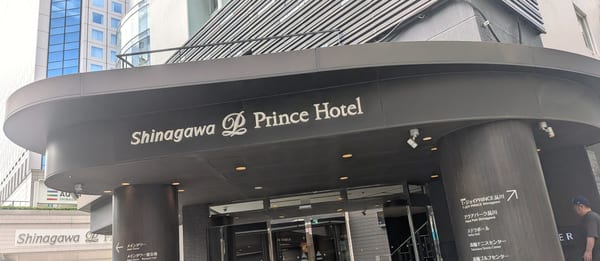
An urban aquarium inside the Shinagawa Prince Hotel, known for dolphin shows staged with projection mapping. Its location a short walk from the station makes it popular with both visitors and families.

💡 In the evening it switches to "Night Aqua Park," with stronger lighting and music.

Gotenyama Garden

15min walk

A garden on the Gotenyama hill, quiet enough that the noise of the district disappears. Once known as a cherry-blossom spot, it still holds a stillness that feels out of place so close to the office towers.

Shinagawa Central Garden

Shinagawa Central Garden

6min walk

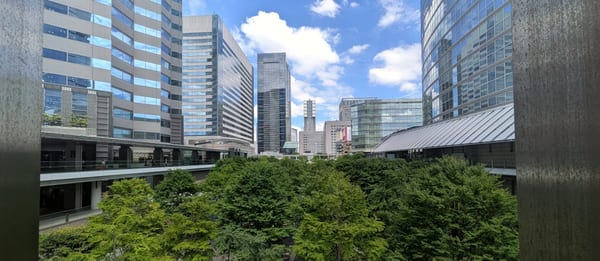
A long, narrow park squeezed between office towers — not a token strip of greenery but a proper park with real tree cover, used by office workers on their lunch break.

Sengakuji Temple

Sengakuji Temple

18min walk

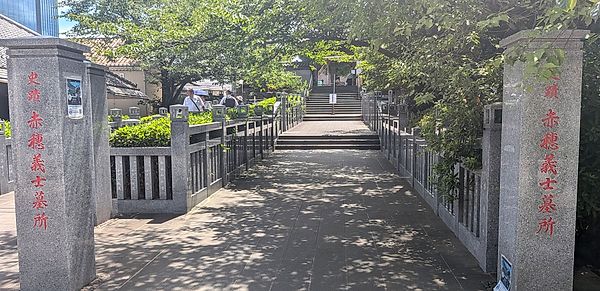
Known as the burial ground of the Forty-Seven Ronin. Past the main gate lie the graves of the forty-six men who committed seppuku after the raid. The grounds also hold the "head-washing well," said to be where they cleaned their lord's head. The temple itself is much older than that: founded in 1612 by Tokugawa Ieyasu in memory of Imagawa Yoshimoto, some ninety years before the incident.

💡 It's an 18-minute walk from Shinagawa Station. Sengakuji Station on the Toei Asakusa Line / Keikyu Main Line, true to its name, sits one or two minutes away and is the more practical option. Open 7:00–16:00 (17:00 on some days). At the graves, visitors are asked for a ¥500 incense offering.

Local Secrets

The old Tokaido at Shinagawa-juku (Kita-Shinagawa shopping street)

The old Tokaido at Shinagawa-juku (Kita-Shinagawa shopping street)

15min walk

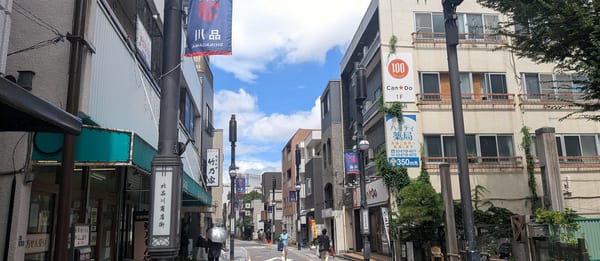
Walk south from the office towers at Shinagawa Station and you come out onto the old Tokaido highway, still about seven metres wide as it was in the Edo period — wide enough for two daimyo processions to pass. Shops run along it for some 800 metres, around ninety of them in the local association, with side lanes branching off: Shimizu-yokocho, Oyokocho, Daiba-yokocho, Kuromon-yokocho, Uramachi. The reason there is nothing around Shinagawa Station is that the station was built in 1872 on reclaimed shoreline a kilometre from the post town. The town itself stayed here.

💡 It is about a 15-minute walk from Shinagawa Station. Taking the Keikyu Main Line one stop to Kita-Shinagawa is more practical — step off the train and you are already on the old highway.

Shinagawa Shrine

Shinagawa Shrine

18min walk

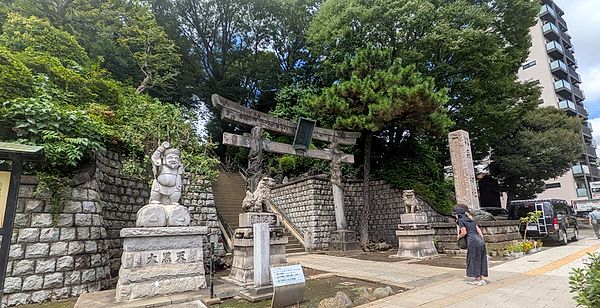
A shrine on high ground, up a steep flight of stone steps from the old highway. It is said to have been founded in 1187 by Minamoto no Yoritomo, and because Tokugawa Ieyasu prayed here for victory before Sekigahara it was protected by the shoguns thereafter. In the grounds is a climbable miniature Mount Fuji; from the top you can see out over the district toward the water.

💡 The steps are steep, and the Fuji mound is another climb on top of that. Wear something you can walk in.

Yoganji Temple

18min walk

A temple founded in 1299, with Kokuzo Bosatsu as its principal image. It also enshrines Hotei, one of the Seven Lucky Gods of the Tokai circuit, and fills with visitors at New Year. It sits right beside the old highway shops and appears abruptly as you walk.

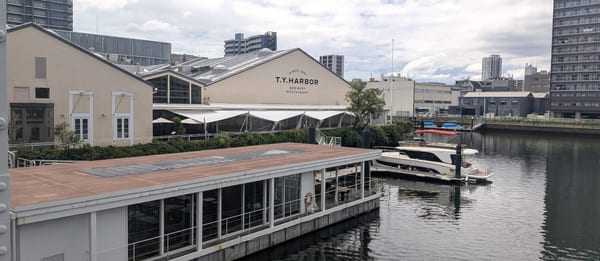
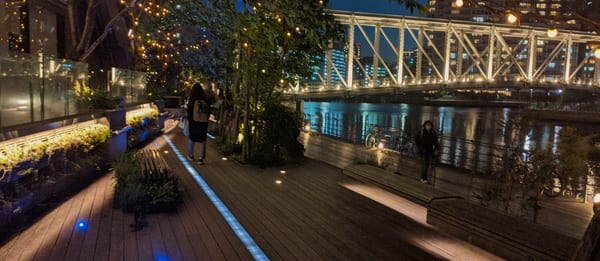
The canals and boardwalk at Tennozu Isle

The canals and boardwalk at Tennozu Isle

20min walk

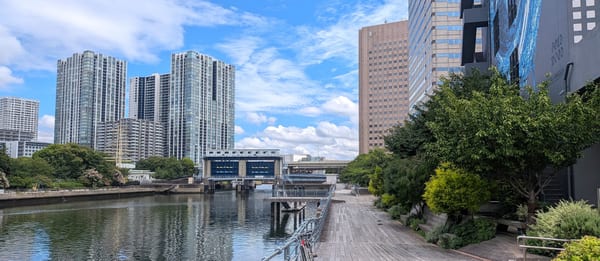
A reclaimed island ringed by canals, with more than 200 metres of timber boardwalk running along the water. It was a warehouse district, and the warehouses now hold shops and cafés facing the canal. Walk here from the office towers at Shinagawa and the scenery changes so completely it is hard to believe it is the same district.

💡 It is about a 20-minute walk from Shinagawa. The nearest station is Tennozu Isle on the Tokyo Monorail or the Rinkai Line, only a few minutes away on foot.

TERRADA ART COMPLEX

TERRADA ART COMPLEX

20min walk

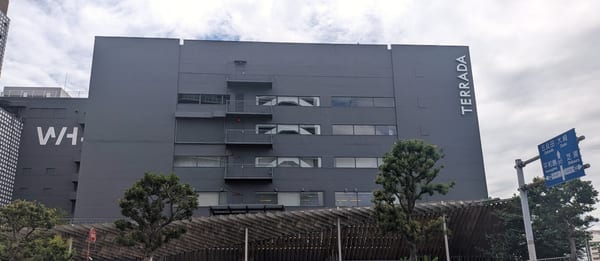
A cluster of galleries inside converted warehouses. Dealers in Japanese and international contemporary art share the same building, so you can see several shows without going back outside. There are two buildings, I and II.

💡 Each gallery keeps its own hours and exhibition dates — check the official site before you go.

Archi-Depot

20min walk

A facility that stores more than eight hundred architectural models entrusted by architects and design offices, with part of the collection on view. The models sit on warehouse shelving rather than in display cases, which is what makes it unusual. It reopened after renovation in March 2025.

💡 It is inside WHAT MUSEUM, in Terrada Warehouse Building G. The complex goes by several names, so look for WHAT MUSEUM at the entrance.

MoN Takanawa: The Museum of Narratives

MoN Takanawa: The Museum of Narratives

21min walk

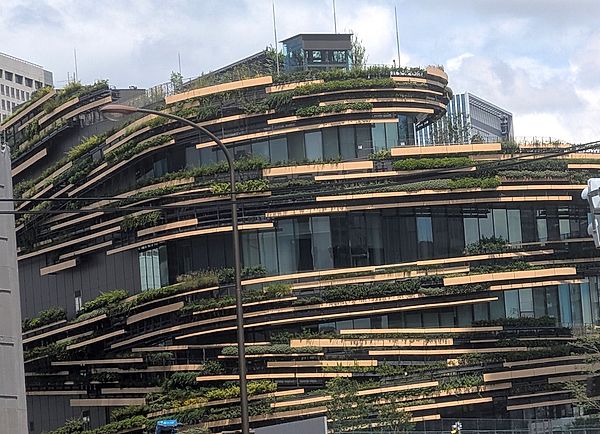
A cultural venue opened in March 2026 under the banner of "carrying culture a hundred years forward," running exhibitions, live performances and talks. Its terraces ripple outward floor by floor, planted with greenery, so the building reads as a different shape from everything around it even at a distance. Inside are galleries, a café, a restaurant, a shop — and a footbath terrace on the sixth floor.

💡 Open 10:00–21:00. It's a 21-minute walk from Shinagawa Station, so coming from Takanawa Gateway Station on the JR or Toei Asakusa Line is quicker. Worth a look from the outside even if you don't go in.

The Takanawa side, mid-rebuild

The Takanawa side, mid-rebuild

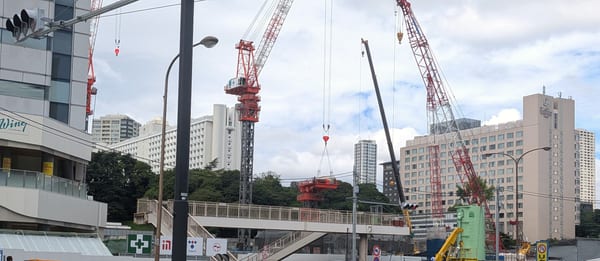
West of Shinagawa Station, the Takanawa side is a construction site right now. Cranes stand in rows and the ground is open behind the hoardings. This is the Shinagawa Station West redevelopment, started in 2025 and scheduled for completion in fiscal 2029. The side of the station people have long described as having nothing is partway through changing shape.

💡 Not a destination, but it is what you walk into the moment you leave by the Takanawa exit, so it's worth knowing. The view itself will be gone within a few years.

Food & Drink

The Classics

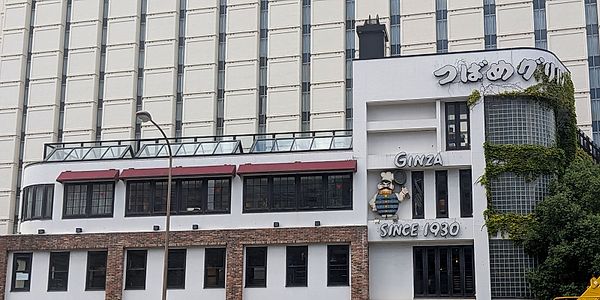
Tsubame Grill Shinagawa

Tsubame Grill Shinagawa

3min walk

A branch of the well-known yōshoku (Western-style) restaurant Tsubame Grill, famous for its hamburg steak. A queue often forms before opening.

💡 Go right at opening time or earlier in the day to cut the wait.

Bishoku Beimon Shinagawa Konan WINE&GRILL

5min walk

A calm Japanese restaurant inside the Shinagawa Grand Central Tower, pairing wine with Japanese cooking. Often used for business dinners.

The Memory of This Town

Forty-six, and one

Sengakuji is known as the burial ground of the forty-seven ronin. But only forty-six of them actually committed seppuku. After the raid, the men did not flee or hide — they turned themselves in to the shogunate on the spot and asked to take their own lives. One man, Terasaka Kichiemon, was not among them. Temple tradition holds that he was given the task of reporting what had happened to those connected with the affair, and survived. The number forty-seven counts forty-six deaths and one life together, without distinguishing between them.

The temple is far older than that event. It was founded in 1612 by Tokugawa Ieyasu, in memory of Imagawa Yoshimoto — the lord under whom Ieyasu had once been raised as a hostage in his youth. A great fire destroyed the temple in 1641, and Tokugawa Iemitsu ordered it rebuilt here, in Takanawa. The raid took place in the Genroku era, roughly sixty years after that move. Becoming the burial ground of the ronin was, in the temple's own history, a role added later.

The well known as the 'head-washing well' still stands in the grounds — where the men are said to have cleaned their lord's head after the raid, a quiet corner marked by nothing more than a single sign. Walk out through the main gate toward the station and you reach the office towers in front of Shinagawa, where the shinkansen departs. The forty-six who turned themselves in, and the one who did not, are both, today, somewhere the high-rises a few hundred metres away cannot see.

  • The 1612 founding and the 1641 move to Takanawa, ordered by Tokugawa Iemitsu, follow the pamphlet published by Sengakuji and picked up on site.
  • Terasaka Kichiemon's survival, and his role in reporting the raid, comes from temple tradition recorded in the same pamphlet. The raid took place in the Genroku era.
  • The head-washing well still stands within the temple grounds.

Through the Year

  1. JunFri–Sun nearest the 7th

    Annual Festival: the Northern Tenno Festival

    Shinagawa Shrine

    A mikoshi with a divine mask fixed to its roof is carried to Shinagawa-byoshi, played on a large drum and a bamboo flute. The bearers split left and right and shove against each other — the Jonan style of carrying — so the shrine moves irregularly in every direction. The shrine is a stop south of Shinagawa Station, on the side of the old Tokaido.

  2. Junearly month

    Tenno Festival: the Southern One

    Ebara Shrine

    It begins with the transfer of Gozu Tenno from Yasaka Shrine in Kyoto in 1247. It is also called the kappa festival. Shinagawa has two Tenno shrines, north and south — Shinagawa Shrine and Ebara Shrine — and the two festivals together are the Tenno Matsuri.

Dates shift from year to year. Check the shrine or organiser before you plan around one.

Where to Stay

Tokyo Marriott Hotel

Tokyo Marriott Hotel

13min walk

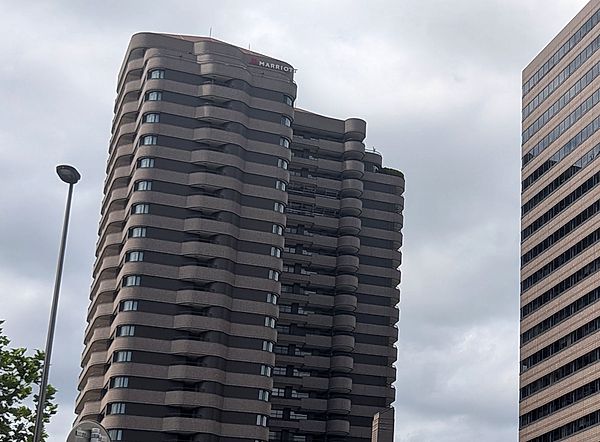
A hotel set not among the office towers at the station but up on the Gotenyama rise. Gotenyama held a shogunal villa in the Edo period and, next door to the Shinagawa post town, was a cherry-blossom spot painted in ukiyo-e; the gardens are still green today. Every room is over 30 square metres. The address is Kita-Shinagawa, Shinagawa Ward — a different ward from the station itself, which sits in Takanawa, Minato Ward.

💡 A free shuttle bus runs between the hotel and Shinagawa Station. On foot it is about 13 minutes, and the old Tokaido and Gotenyama Garden are closer to the hotel than to the station.

Rates vary by season — check a booking site

Getting to Shinagawa

  • From Shibuya

    14 min · direct · JR Yamanote Line · ¥210

  • From Shinjuku

    21 min · direct · JR Yamanote Line · ¥260

  • From Tokyo Station

    9 min · direct · JR Ueno-Tokyo Line · ¥210

  • From Ueno

    16 min · direct · JR Ueno-Tokyo Line · ¥260

  • From Ikebukuro

    30 min · direct · JR Yamanote Line · ¥340

  • From Narita Airport

    81 min · direct · Narita Express (direct) · ¥3,330The Keisei Access Express runs direct too, for a cheaper ¥1,616, but takes about half an hour longer.

  • From Haneda Airport

    24 min · direct · Keikyu Main Line (direct) · ¥330Shinagawa and Haneda Airport are connected directly by the Keikyu Main Line — the fastest and cheapest way between them.

Times are for a typical daytime weekday and fares are ordinary tickets, rounded. Both change — check a route planner on the day.

Getting There

Shinagawa is served by the JR Yamanote, Keihin-Tohoku, Tokaido and Yokosuka lines, is a stop on the Tokaido Shinkansen, and connects to the Keikyu Main Line. The Keikyu runs through to Haneda without a change, and the Narita Express runs through to Narita. Times and fares are in the table below. The station opened in 1872 as one of the first in Japan, but it was built on reclaimed shore about a kilometre northwest of the old Shinagawa post town, which is present-day Kita-Shinagawa. Its address is still not in Shinagawa Ward but in Takanawa, Minato Ward.

Best Time to Visit

Weekday daytimes are busy with office workers; weekends are calmer. Aqua Park Shinagawa changes its show after dark, so it is worth a second visit at a different time of day.

Local Tip

Because the station name and the ward don’t match, it is easy to assume you’re in Shinagawa Ward and get turned around. The Takanawa (west) and Konan (east) exits feel like different districts, so check which exit you need before you arrive.

What the Name Means

No account has been settled. Some say it was an old name for the Meguro River; some that it was coined as Shinagawa against neighbouring Takanawa; some that it is a contraction of Takanawate. Even whether the river or the district was named first is unresolved.