Tokyo

nishiogikubo

Tokyo's Antique Soul: Where Old Treasures Meet Cozy Cafés

Nishiogikubo is a quietly charming neighborhood in western Tokyo, beloved for its labyrinthine antique shops and unhurried café culture. Unlike its trendier neighbors Shimokitazawa and Koenji, this district has preserved an authentically lived-in atmosphere that draws curious wanderers and seasoned collectors alike. Strolling its narrow backstreets feels like browsing a curated museum where everything is actually for sale.

Sightseeing

The Classics

Antique Street (Kottō-dōri Area)

The stretch of backstreets around the station's south exit is densely packed with over 30 antique and vintage shops, each with its own specialty — from Meiji-era ceramics and tansu chests to retro Showa toys and European curiosities. No two shops feel alike, making an afternoon here an endlessly surprising treasure hunt.

💡 Shops tend to open late (around 11am) and many close on Wednesdays. Go on a weekend afternoon when more dealers are present and chatty.

Zenrinji Pond & Inokashira Park (East End)

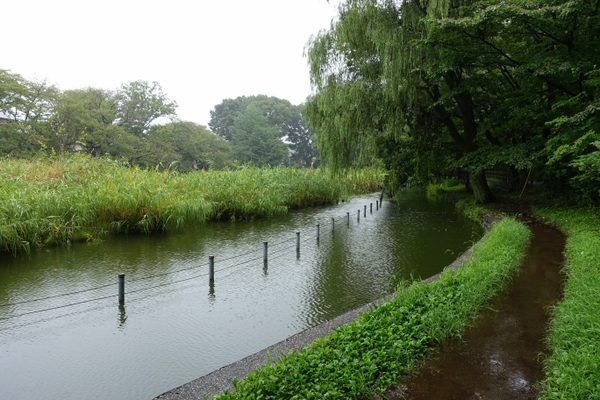
A short walk east connects Nishiogikubo to the quieter western edge of Inokashira Park, where locals jog and duck-watch away from the tourist crowds near Kichijoji. The atmosphere is deeply residential and peaceful, giving you a genuine slice of Tokyo suburban life.

💡 The path along the small canal between Nishiogikubo and Inokashira is beautiful in early April when cherry blossoms line the water.

Nishiogi Shotengai (Local Shopping Arcade)

The covered shopping arcade stretching north from the station is a wonderfully unreconstructed old-Tokyo shotengai, lined with family-run fishmongers, tofu shops, cheap eateries, and hardware stores. It is the beating heart of daily local life and a refreshing contrast to the polished malls found elsewhere in the city.

💡 Visit around 5–6pm on weekdays to see the arcade at its liveliest, with residents doing their evening grocery shopping.

Local Secrets

Yanagimoto Collection (Specialist Furniture Dealer)

Tucked down a narrow alley south of the station, this low-key dealer specializes in Korean and Chinese antique furniture — joinery boxes, lacquerware cabinets, and altar tables — that rarely appear in mainstream antique fairs. The owner is deeply knowledgeable and willing to explain provenance in detail to genuinely interested visitors.

💡 Ring the bell if the door appears closed; the owner is often working in the back. Bring cash as card payment is not always accepted.

Jazz Kissa Culture (Jazz Coffee Houses)

Nishiogikubo quietly maintains one of Tokyo's last concentrations of old-school jazz kissa — dimly lit listening bars where conversation is kept low and vinyl records are spun at reference volume. Unlike Shinjuku's famous Disk Union scene, these spots are almost entirely patronized by local regulars and remain under the radar of mainstream travel guides.

💡 Look for hand-lettered signs and frosted glass doors near the south exit backstreets. Arriving alone and ordering a simple coffee is perfectly welcome etiquette.

Sunday Building Materials Market (Kaito)

Held on the grounds of an architectural salvage dealer a short cycle north of the station, this occasional outdoor market sells reclaimed doors, windows, tiles, light fixtures, and hardware from demolished Tokyo buildings. It draws architects, set designers, and obsessive DIY enthusiasts rather than tourists.

💡 Dates are announced irregularly on the dealer's social media. Items can be heavy, so bring a large bag or arrange delivery if you find something you love.

Food & Drink

The Classics

Mameoki (Café & Gallery)

One of the neighborhood's most beloved kissaten, Mameoki has occupied its cozy wooden interior for decades. The menu is simple — hand-drip coffee, homemade cakes, and light lunch sets — but the quality and the atmosphere of genuine unhurriedness make it a perfect mid-walk rest stop.

💡 The seating is limited and there is often a short wait at weekends. It is worth it. Cash only, with coffee priced at approximately ¥600–800.

Local Thai Restaurants (South Exit Cluster)

Nishiogikubo has, for reasons that locals attribute to a wave of returnees from Southeast Asia decades ago, an unusually high density of authentic Thai eateries for a quiet residential neighborhood. Several spots near the south exit serve genuinely spicy, unfussy Thai home cooking at very reasonable prices (lunch sets approximately ¥900–1,200).

💡 Ask for 『辛さ強め』(extra spicy) if you want the real deal — most kitchens will happily oblige regular-looking customers who ask.

Station-Side Yakitori & Standing Bars

The narrow lanes immediately around the north and south exits harbor several standing-only yakitori stalls and small izakaya that fill up with local salarymen from around 6pm. Prices are refreshingly old-fashioned — expect to eat and drink well for approximately ¥1,500–2,500 per person.

💡 Many of these spots have no English menus, but pointing at neighbours' dishes is universally understood and warmly received.

Local Secrets

Sarusuberi (Handmade Pasta & Natural Wine)

A tiny, unmarked-looking restaurant seating fewer than 15 guests, Sarusuberi is known among Nishiogikubo's creative residents for its daily-changing handmade pasta paired with a thoughtfully curated natural wine list. The chef sources ingredients hyper-locally and the menu is verbal only — a completely local-insider experience.

💡 Reservations are practically essential for weekends. The restaurant has no prominent signage, so save the address on your phone before you go.

Nishiogi Marché (Farmers' Market)

A small, grassroots farmers' market held periodically in a vacant lot near the station, where organic vegetable growers from the Tama region and artisan food producers sell directly to neighborhood residents. It is far smaller and more intimate than the famous Aoyama Farmers' Market, with genuine producer-to-consumer conversation.

💡 Dates and location shift seasonally — follow local community boards or the neighborhood association's flyers posted around the shotengai for announcements.

Old-School Kissaten (Retro Coffee Shops)

Several unrenovated kissaten from the 1970s and 1980s survive in Nishiogikubo, serving thick 『モーニング』(morning sets) of toast, boiled egg, and coffee for approximately ¥400–600 — prices that feel frozen in another era. These spots attract almost exclusively local elderly regulars and are a window into vanishing Tokyo café culture.

💡 Arrive before 9am for the full morning-set experience. Sitting at the counter and making slow small-talk with the master is considered perfectly normal and appreciated.

Where to Stay

The Classics

Kichijoji Area Hotels (10 min by train)

Nishiogikubo itself has very limited hotel infrastructure, which is part of its charm. Staying in nearby Kichijoji (one stop east on the Chuo Line) gives access to a wider range of business hotels and guesthouses while keeping Nishiogikubo within easy reach. Rates typically start from approximately ¥8,000–12,000 per night.

approx. ¥8,000–12,000/night

Local Apartment Rentals (Airbnb / Monthly Mansions)

For a genuinely residential experience, short-term apartment rentals in Nishiogikubo place you inside the neighborhood's quiet streets, among the antique shops and local cafés. Living like a local here — picking up groceries at the shotengai and cycling to the park — is a qualitatively different Tokyo experience.

approx. ¥6,000–15,000/night depending on size and platform

Local Secrets

Small Guesthouses & Artist Residencies

A handful of independently run guesthouses and creative-community residencies operate in the neighborhood, often hidden inside renovated old houses. They are not marketed through major booking platforms and are typically found through word-of-mouth or community social media. Staying in one connects you directly with the local art and antique scene.

approx. ¥4,000–7,000/night; booking via direct contact recommended

Hidden Gems

Local Secrets

The Kottō Bridge (Secret Antique Cluster)

A small bridge over the Zenpukuji River south of the station, around which several of the most interesting antique dealers have quietly clustered. The riverside setting in autumn, with persimmon trees overhanging the water and shop fronts spilling out onto the path, is one of the most photogenic — and least photographed — corners of western Tokyo.

Zenpukuji River Greenway

The narrow riverside park that follows the Zenpukuji River south of Nishiogikubo station is an almost entirely local walking route, planted with cherry, plum, and seasonal flowers. On a weekday morning it is nearly deserted — a rare pocket of meditative calm within the world's largest metropolis.

Independent Vinyl Record Shops

Alongside antiques, Nishiogikubo harbors several small independent record dealers specializing in jazz, folk, world music, and film soundtracks. These are emphatically not the branded mega-stores of Shibuya but intimate, owner-curated spaces where discoveries are genuinely possible for under ¥1,000.

Getting There

Nishiogikubo Station is served by the JR Chuo Line (rapid and local) and the Tokyo Metro Tozai Line. From Shinjuku it is approximately 15 minutes by rapid train (about ¥220). From Tokyo Station, take the Chuo Line rapid service for approximately 35 minutes. The neighborhood is compact and best explored entirely on foot; bicycle rental is also available near the station for approximately ¥500–800 per day.

Best Time to Visit

Spring (late March to early April) brings cherry blossoms along the Zenpukuji River and a festive atmosphere to the shotengai. Autumn (October–November) is equally beautiful, with golden ginkgo trees lining nearby roads and a pleasant cool temperature for antique-shop browsing. Weekday afternoons are the quietest time to visit; weekend mornings see the most antique dealers open simultaneously.

Local Tip

Nishiogikubo has an unwritten culture of slow browsing. Entering an antique shop, handling items carefully, and spending 30 minutes without buying anything is completely normal and not considered rude — shopkeepers often prefer a curious visitor to a hurried one. Learning a few basic phrases (『見てもいいですか』— may I look?) opens doors considerably. Many dealers who appear not to speak English will make enormous efforts once they sense genuine interest in their pieces.