Tokyo

harajuku

Tokyo's Wildest Street Fashion Playground

Harajuku is the beating heart of Japan's youth culture, where kawaii fashion, street food, and subcultures collide in a single vibrant neighborhood. Takeshita Street draws millions of visitors with its rainbow crepes, quirky boutiques, and cosplay-ready crowds. Just steps away, the serene Meiji Shrine offers a striking contrast that makes Harajuku one of Tokyo's most layered experiences.

Sightseeing

The Classics

Takeshita Street

The iconic 350-meter pedestrian street packed with fast fashion, vintage shops, and kawaii accessories. It is ground zero for Japanese street style and remains endlessly photogenic regardless of the season.

💡 Arrive before 11am on weekdays to explore without shoulder-to-shoulder crowds. Weekends can feel nearly impassable by early afternoon.
Meiji Jingu

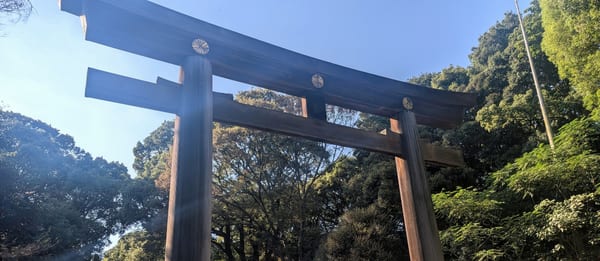
A magnificent Shinto shrine dedicated to Emperor Meiji and Empress Shoken, set within a 70-hectare forested park right in the middle of Tokyo. The towering wooden torii gate and tranquil forested path create an atmosphere unlike anywhere else in the city.

💡 Early morning visits on weekdays feel almost meditative. The inner garden (Gyoen) charges a small entry fee of around 500 yen but is worth every coin for its irises in June.

Omotesando Hills

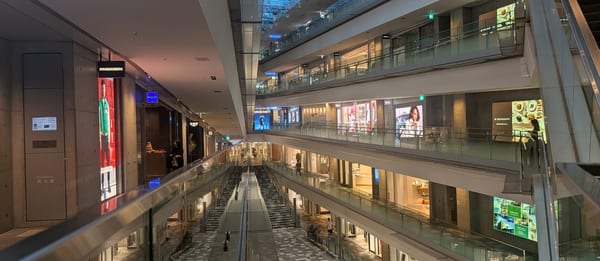
A luxury spiral shopping complex designed by architect Tadao Ando, where the interior ramps wind around a dramatic open atrium. Even if high-end shopping is not your goal, the architecture alone makes it worth stepping inside.

💡 The basement floors host more affordable cafes and smaller boutiques. The building is especially atmospheric during the Christmas illumination season.

Local Secrets

Design Festa Gallery

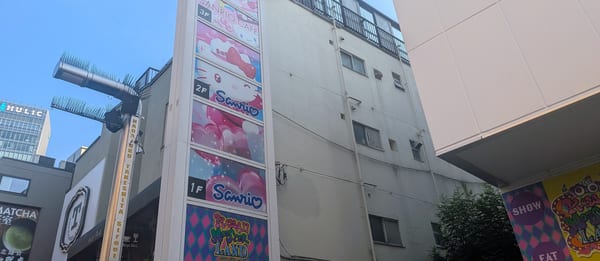
A wild, ever-changing art gallery hidden in a Harajuku backstreet where independent artists rent walls and display truly unconventional work. The building exterior itself, covered in murals, is a landmark that most tourists walk past without realizing what is inside.

💡 Entry is free and the exhibitions rotate constantly, so no two visits are the same. The staff are artists themselves and are happy to chat if you show genuine interest.

Ura-Takeshita Alleyways

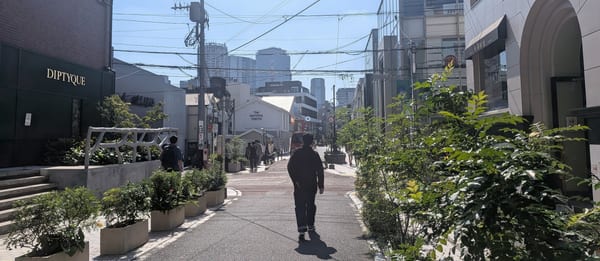
The narrow side alleys branching off Takeshita Street are where Harajuku's real underground fashion scene lives. Small ateliers, secondhand boutiques, and indie zine shops tucked into converted houses cater almost exclusively to Tokyo locals chasing genuinely rare finds.

💡 Look for the small hand-painted signs. Many shops here have no online presence and keep irregular hours, so discovering them is half the adventure.

Yoyogi Park Crow Market Area

On Sundays, the area near the eastern entrance of Yoyogi Park quietly fills with vintage clothing flea markets, underground band performances, and dance circles that have existed for decades away from any tourist map.

💡 This scene is informal and schedule-less. Show up any Sunday afternoon, start near the Harajuku Gate entrance, and follow the sound of rockabilly music.

Food & Drink

The Classics

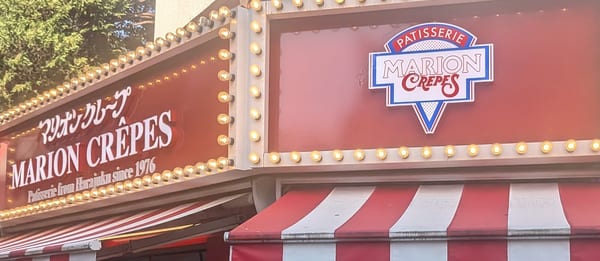
Marion Crepes

The original Harajuku crepe chain that sparked Japan's walking-crepe culture back in 1976. Thin, freshly made crepes stuffed with cream, strawberries, custard, or matcha are handed to you in a paper cone to eat while strolling Takeshita Street.

💡 The classic strawberry and cream is still the bestseller. Expect a queue on weekends but it moves quickly. Price is roughly 500 to 800 yen per crepe.

Kawaii Monster Cafe

A wildly decorated restaurant concept by fashion icon Sebastian Masuda, serving colorful food inside a surreal, psychedelic interior. It is loud, theatrical, and absolutely unlike any dining experience you will find elsewhere.

💡 A table charge of around 500 yen per person applies. Go for the experience and the photos rather than the food itself. Reservations recommended on weekends.

AFURI Harajuku

This acclaimed ramen shop serves a signature yuzu-shio (citrus salt) broth that feels lighter and more fragrant than the typical Harajuku fast food. The sleek, minimalist interior doubles as a pleasant contrast to the chaotic streets outside.

💡 The yuzu shio tsukemen (dipping noodles) is a must-try that many first-timers overlook. Expect a wait of 15 to 30 minutes at peak hours. Around 1,200 to 1,600 yen per bowl.

Local Secrets

Cafe 127

A tiny, long-running coffee shop near Meiji-dori that serves no-frills drip coffee and simple sandwiches to a loyal crowd of Harajuku locals and fashion industry workers on break. There is no Instagram aesthetic here, just honest coffee and genuine quiet.

💡 Cash only, and the menu is handwritten in Japanese only. Point and smile works fine. A coffee runs around 400 to 500 yen, genuinely one of the best-priced cups in the neighborhood.

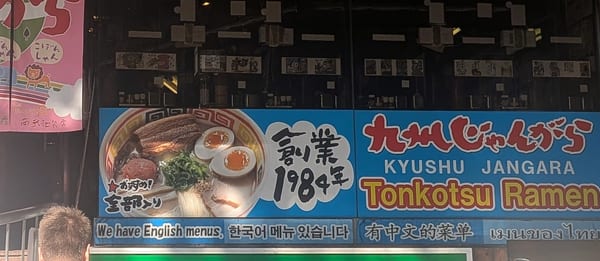
Kyushu Jangara Ramen

A Harajuku institution since 1984 serving rich Kyushu-style tonkotsu ramen that predates the ramen tourism boom by decades. The counter seats are occupied by regulars who have been coming since the place opened.

💡 Order the 『Bonshan』 level broth for the full tonkotsu experience. Located just off Takeshita Street, it is easy to miss. Open late, making it ideal after a long day of wandering.

Anniversaire Cafe Aoyama Terrace

Technically just on the Aoyama border of Harajuku, this terrace cafe beside a wedding chapel is where locals come for weekend brunch away from the Takeshita chaos. The leafy outdoor seating feels like a different city entirely.

💡 The weekend brunch set is approximately 1,800 to 2,500 yen and reservations are strongly advised. Dress a little smarter than your Harajuku street gear to match the vibe.

Where to Stay

The Classics

Haiku Harajuku (former Millennium)

A centrally located hotel right on Meiji-dori that puts Takeshita Street, Omotesando, and Meiji Shrine all within a ten-minute walk. Rooms are compact but modern, and the location is unbeatable for first-time Harajuku visitors.

Approximately 15,000 to 25,000 yen per night depending on season and room type.

Tokyu Stay Harajuku

A reliable business-style hotel with in-room washer-dryers, a feature beloved by longer-stay travelers. The location on Meiji-dori is quiet enough for a good night's sleep while still being seconds from the action.

Approximately 12,000 to 20,000 yen per night. Long-stay discounts are often available.

Local Secrets

Khaosan Tokyo Harajuku (Hostel)

A social, budget-friendly hostel tucked into a Harajuku sidestreet that draws young travelers and long-term Tokyo wanderers. The common space regularly fills with people swapping neighborhood tips over cheap beer, making it genuinely one of the best free information sources about underground Harajuku.

Dorm beds from approximately 3,000 to 4,500 yen per night. Private rooms also available at around 8,000 yen.

Hidden Gems

Local Secrets

Meiji Shrine Inner Garden in Iris Season

Every June, the inner garden of Meiji Shrine bursts into bloom with over 150 varieties of iris. Tokyo locals know this as one of the city's great seasonal secrets, yet the garden sees a fraction of the crowds that descend on more famous flower spots.

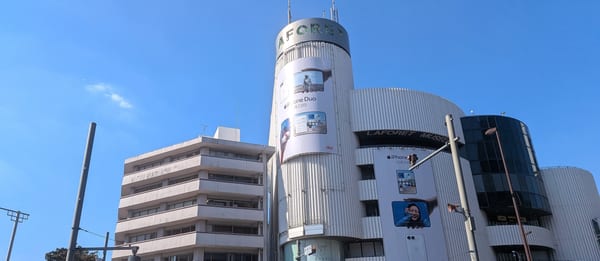
LaForet Harajuku During Sale Season

LaForet's biannual sale events in January and July draw Harajuku fashion insiders who camp outside the night before. The discounts on Japanese indie designer brands reach 70 to 80 percent and items disappear within the first hour of opening.

Yoyogi Park Sunday Performers

Every Sunday near the Harajuku Gate entrance to Yoyogi Park, a long-running tradition of rockabilly dancers, cosplay gatherings, and busking bands creates a free, spontaneous street performance that has nothing to do with the official tourist circuit.

Getting There

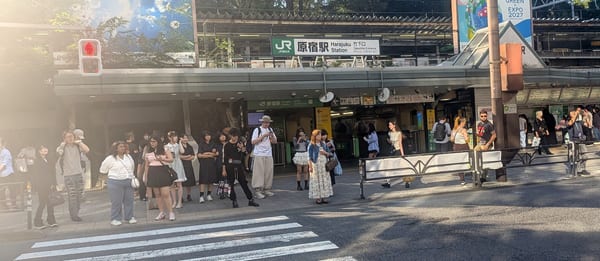
Harajuku Station (JR Yamanote Line) is the main gateway, a short ride from Shinjuku (2 min) or Shibuya (2 min). Meiji-jingumae 〈Harajuku〉 Station on the Tokyo Metro Chiyoda and Fukutoshin lines is even more central for Takeshita Street. Taxis from Shinjuku cost approximately 1,000 to 1,500 yen. Cycling from Shibuya takes around 10 minutes via Meiji-dori and is a recommended local option.

Best Time to Visit

Late March to early April brings cherry blossoms to Yoyogi Park, making it one of Tokyo's top hanami spots. June sees the Meiji Shrine iris garden at its peak. October and November offer cooler weather and Tokyo's underground fashion events cluster around this period. Avoid Golden Week (late April to early May) if you dislike extreme crowds on Takeshita Street.

Local Tip

Harajuku's real fashion culture has largely migrated from Takeshita Street into the quieter backstreets of Ura-Harajuku (sometimes called Cat Street). Follow Meiji-dori south toward Omotesando and duck into any alley heading east — this is where the genuinely interesting independent boutiques now cluster. Also, many Harajuku locals eat lunch in Yoyogi Park with convenience store bento rather than at restaurants, and joining them is one of the most authentic experiences the neighborhood offers.