Tokyo

ryogoku

Where Sumo Legends Are Made

Ryogoku is Tokyo's sumo heartland, home to the iconic Kokugikan arena and a dozen sumo stables where wrestlers train daily. Beyond the ring, the neighbourhood pulses with Edo-period culture, hearty chanko-nabe restaurants, and the vast Edo-Tokyo Museum.

Sightseeing

The Classics

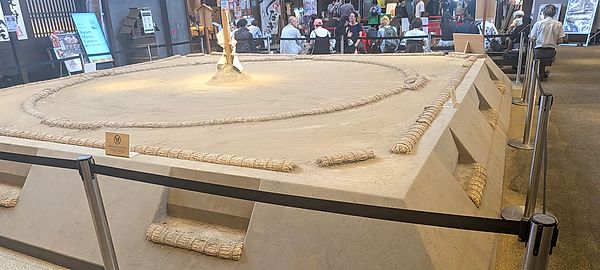
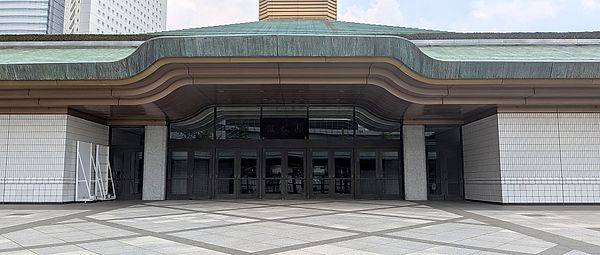
Ryogoku Kokugikan

Japan's premier sumo arena hosts three of the six annual Grand Tournaments. Even outside tournament season the building is worth a visit for its sumo museum on the ground floor.

💡 Tournaments run in January, May, and September. Buy tickets well in advance via the official Nihon Sumo Kyokai website — front-row box seats sell out within hours.

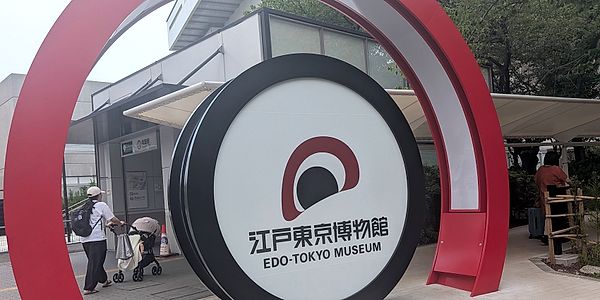
Edo-Tokyo Museum

A towering museum tracing Tokyo's transformation from the Edo shogunate to the modern metropolis. Life-size reconstructions of Nihonbashi bridge and a replica Kabuki theatre are highlights.

💡 The museum is currently undergoing renovation (scheduled to reopen around 2026). Check the official site before visiting.

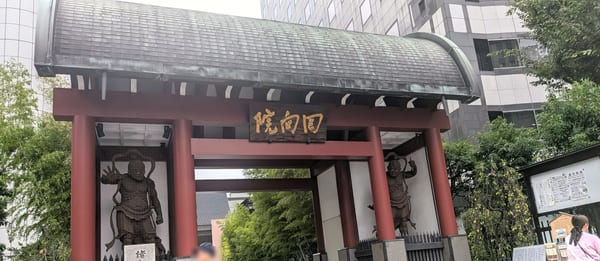
Eko-in Temple

A historic Buddhist temple that served as the original venue for sumo tournaments in the Edo era. The grounds hold memorial stones for sumo wrestlers and victims of the Great Meireki Fire.

💡 Entrance to the temple grounds is free and the atmosphere is far quieter than Sensoji. Visit early morning for a contemplative experience.

Local Secrets

Sumo Stable Morning Practice

Several stables in Ryogoku — including Arashio stable — allow outside visitors to observe morning keiko (training) sessions from a viewing window or designated area without entering the building.

💡 Arashio stable on the main street has a window where you can watch wrestlers train around 7:30–10:00 am. No reservation needed; just stand quietly and do not use flash photography.

Yokozuna Memorial Stones at Tomioka Hachimangu

Just across the Sumida River in Monzen-Nakacho, this shrine holds a famous row of large stone monuments engraved with the ring names of every Yokozuna in history — a pilgrimage site for true sumo fans.

💡 Combine with a riverside walk from Ryogoku Bridge. The shrine also hosts a vibrant antique market on the 1st, 15th, and 28th of each month.

Edo-Tokyo Open Air Architectural Museum

Located in Koganei Park (a short train ride away), this outdoor museum preserves over 30 relocated historic buildings from the Edo and Meiji eras — a stunning and crowd-free alternative to indoor museums.

💡 The 『Sen to Chihiro』 bath house that inspired Studio Ghibli's Spirited Away is reportedly based on a building here. Crowds are minimal on weekday mornings.

Food & Drink

The Classics

Chanko-Nabe

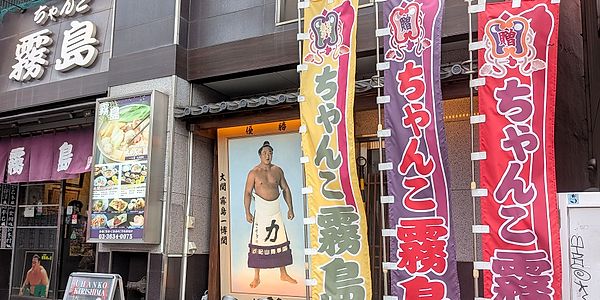
The protein-rich hot pot diet of sumo wrestlers has become Ryogoku's signature dish. Restaurants run by retired wrestlers line the streets around Kokugikan, serving massive communal pots loaded with chicken, tofu, vegetables, and mochi.

💡 Chanko Kawasaki, operated by a former wrestler family, is one of the most established spots. Expect to spend around ¥3,000–¥5,000 per person. Reservations recommended for dinner.

Monja-yaki

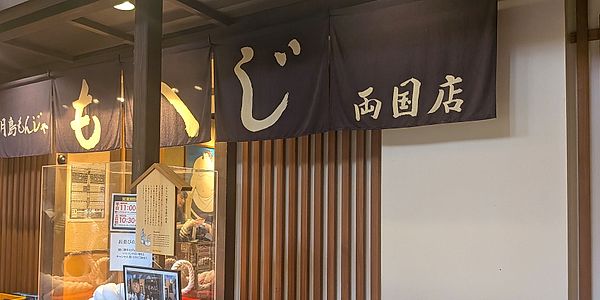
A Tokyo-born runny savoury pancake cooked on a teppan griddle at your table. While Tsukishima is the famous district, several old-school monja spots operate quietly in the Ryogoku area.

💡 Monja is an acquired texture — crisp the batter against the iron plate using the small spatula provided, then scrape and eat directly from the griddle.

Yakitori Alley near Ryogoku Station

A cluster of compact yakitori stalls under the JR rail tracks near the station serve skewers of chicken, negima (scallion and chicken), and tsukune (meatball) with cold draft beer.

💡 This is a favourite after-work spot for locals, best visited from around 6:00 pm. Cash only at most stalls; budget roughly ¥1,500–¥2,500 per person.

Local Secrets

Chanko Izutsu

Run by the Izutsu stable family, this no-frills chanko restaurant is frequented almost entirely by locals and former sumo community members rather than tourists. The flavour is more traditional and less commercialised than the well-known spots.

💡 There is minimal English signage. Point to the set menu on the wall or simply say 『chanko set onegaishimasu』. Lunchtime sets offer exceptional value at around ¥1,000.

Old-School Yoshoku Diners

A handful of family-run yoshoku (Japanese-style Western food) diners have operated in the backstreets of Ryogoku for decades, serving omurice, hamburger steak, and croquettes that recall post-war Tokyo flavours.

💡 These places rarely appear on food apps. Walk the small streets east of the station and look for handwritten menus and curtain-covered doorways — sure signs of a long-standing local gem.

Taiyaki Kataoka

A tiny street-side taiyaki (fish-shaped cake) stall that has been serving crispy, thin-shelled red-bean taiyaki to the neighbourhood for generations. Beloved by local grandmothers and sumo stable staff alike.

💡 Sold fresh off the iron mould for roughly ¥200 each. Arrive before noon on weekends as they tend to sell out. No seating — eat while walking along the river.

Where to Stay

The Classics

Local Secrets

Sumida River-Side Guesthouse

A small, locally owned guesthouse tucked near the Sumida River bank, popular with long-term backpackers and sumo tournament visitors. Dormitory and private rooms available, with a communal kitchen and an owner who doubles as an informal local guide.

Approx. ¥3,500–¥6,000 per night

Hidden Gems

Local Secrets

Ryogoku Bridge at Dusk

The original Ryogoku Bridge was the social centrepiece of Edo-era Tokyo. The current bridge offers a beautiful unobstructed view of the Sumida River at golden hour, with almost no tourists and a genuine neighbourhood atmosphere.

Sumida Hokusai Museum

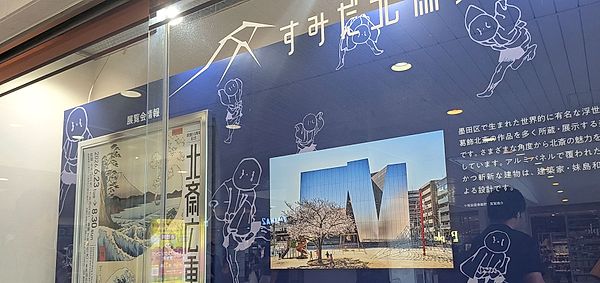
An architecturally striking museum designed by Pritzker Prize-winner Kazuyo Sejima, dedicated entirely to Katsushika Hokusai, who was born in Sumida. The permanent collection of woodblock prints is intimate and never overcrowded.

Kyu Yasuda Garden

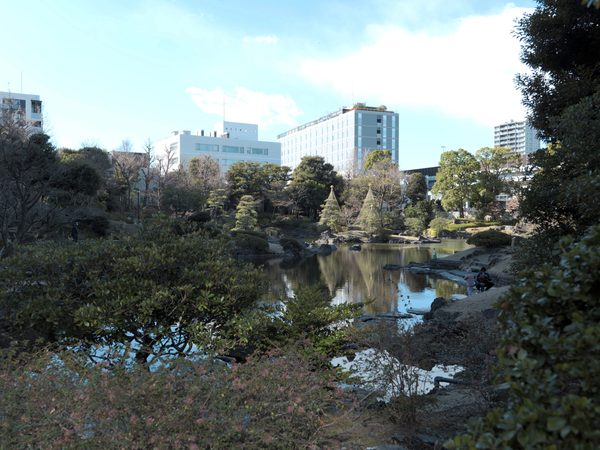
A serene tidal garden hidden behind Kokugikan that dates from the early Edo period. The pond's water level changes with the tides of the Sumida River — a remarkable engineering feat and a perfect spot for quiet reflection.

Getting There

Ryogoku is served by JR Sobu Line (Ryogoku Station) and Toei Oedo Line (Ryogoku Station). From Shinjuku take the JR Sobu Line directly (approx. 20 minutes). From Asakusa walk across Azumabashi or take the Toei Oedo Line (approx. 10 minutes). No direct Shinkansen access — the nearest hub is Tokyo Station (approx. 15 minutes by JR).

Best Time to Visit

January, May, and September are the Grand Tournament months when the neighbourhood is electric with sumo fans. Spring (late March to April) is ideal for cherry blossoms along the Sumida River. Avoid mid-August when heat and humidity peak.

Local Tip

If you visit during a tournament, purchase a 『one-day standing ticket』 (ippan-kan) sold at the arena on the morning of each match day from around 8:00 am. These inexpensive tickets let you watch the lower-division bouts live and soak up the atmosphere even if premium seats are sold out.