Tokyo

ueno

Tokyo's Cultural Heart: Museums, Cherry Blossoms & Street Buzz

Ueno is one of Tokyo's most beloved districts, home to world-class museums, a sprawling park famous for cherry blossoms, and the lively Ameyoko market street. Whether you're drawn to fine art, pandas, or bargain street food, Ueno delivers an unmatched mix of culture and everyday Tokyo life. It's a neighborhood where Edo-era history and modern hustle coexist beautifully.

Sightseeing

The Classics

Ueno Park

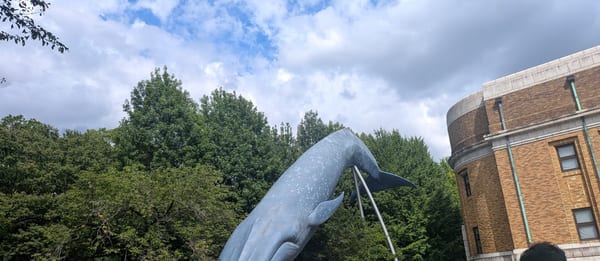
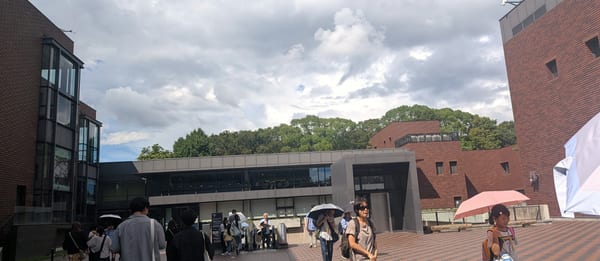
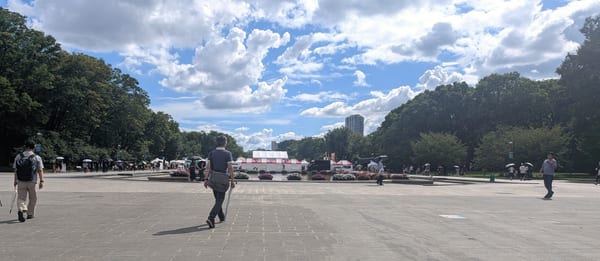
One of Japan's most famous public parks, Ueno Park spans over 53 hectares and is the go-to destination for hanami (cherry blossom viewing) each spring. It also houses several major museums, Ueno Zoo, Shinobazu Pond, and numerous shrines and temples.

💡 Visit on a weekday morning in late March to early April to enjoy the blossoms before the crowds arrive. The south end near the fountain plaza fills up fast on weekends.
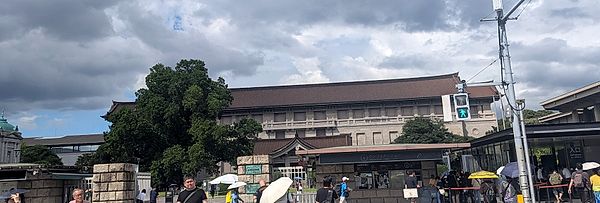
Tokyo National Museum

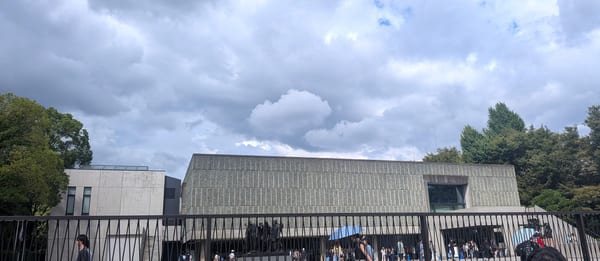
Founded in 1872, this is Japan's oldest and largest museum, holding over 120,000 objects including National Treasures and Important Cultural Properties. The Honkan (Japanese Gallery) is essential viewing for anyone interested in samurai armor, ancient ceramics, and Buddhist sculpture.

💡 The museum occasionally opens its repository to display rarely seen National Treasures on special dates — check the official website before your visit. General admission is around ¥1,000.

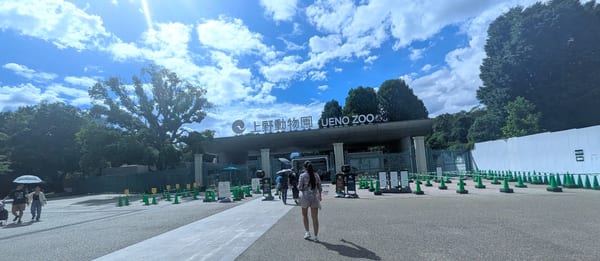
Ueno Zoological Gardens

Japan's oldest zoo, opened in 1882, and home to the beloved giant pandas Xiang Xiang, Rei Rei, and Xiao Xiao. The zoo is divided into an East Garden and West Garden connected by a monorail, and is especially popular with families.

💡 Panda viewing requires a timed entry reservation made online in advance — slots fill up within minutes of release. Admission is approximately ¥600 for adults.

Local Secrets

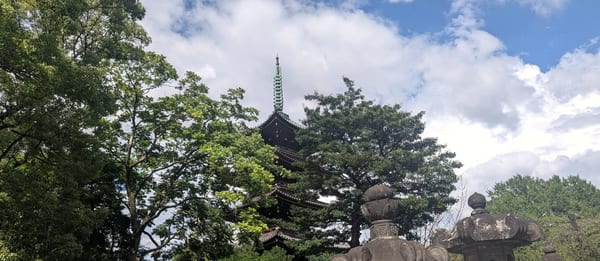
Kaneiji Temple (Kannondo Hall)

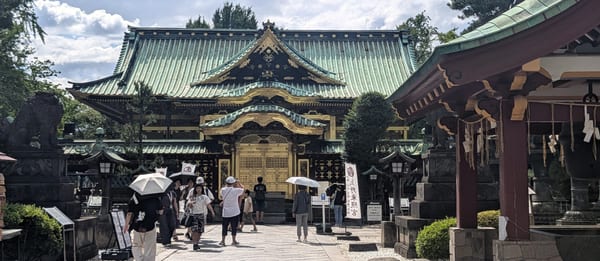
Once one of the most powerful Buddhist temples in Edo, Kaneiji was largely destroyed in the 1868 Boshin War. What remains, including the Kannondo Hall (Kiyomizu Kannon-do) and the five-storied pagoda visible from the zoo, is quietly stunning and almost always empty of tourists.

💡 The small Kiyomizu Kannon-do dates to 1631 and predates Kyoto's Kiyomizudera in design influence. Few visitors realize the pagoda across from the zoo actually belongs to this temple, not the zoo itself.

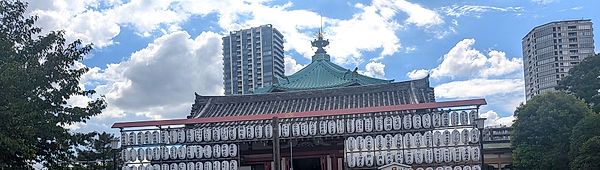
Shinobazu Pond (Benten-do area)

While many tourists walk by, few venture to the small island shrine of Benten-do in the center of the pond. Reached via a narrow causeway, the island offers a serene view of the lotus-covered pond and a peaceful retreat completely surrounded by the city.

💡 Come in late July to early August when the entire pond surface is blanketed in pink lotus blossoms — one of central Tokyo's most atmospheric sights and almost unknown to foreign visitors.

Shitamachi Museum (下町風俗資料館)

This small, lovingly curated museum at the edge of Shinobazu Pond recreates the daily life of Edo-period commoners with life-size reconstructions of a tenement house, a copper shop, and a traditional sweet shop. Admission is just around ¥300.

💡 The volunteers inside often speak a little English and love to demonstrate traditional toys and crafts for visitors — a genuinely warm, unhurried experience that big museums rarely offer.

Food & Drink

The Classics

Ameyoko Market Street Food

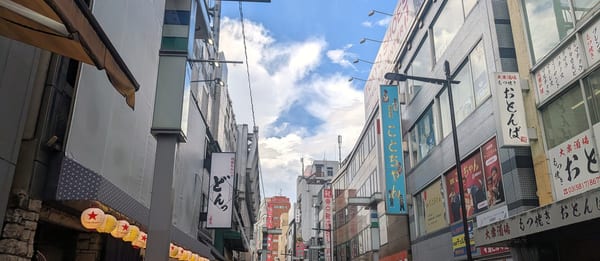
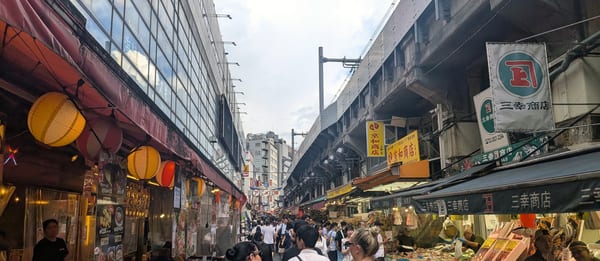
The bustling open-air market running beneath the JR Yamanote Line tracks between Ueno and Okachimachi stations is famous for fresh seafood, grilled skewers, and imported snacks. Grab a cup of fresh-cut fruit, an ¥800 seafood bowl, or grilled scallops on the street.

💡 The market is liveliest in the late afternoon. Prices on fish and seafood tend to drop noticeably after 5 PM as vendors clear stock for the day.

Izuei (伊豆栄) — Unaju Eel Restaurant

Operating since 1702, Izuei is one of Tokyo's most historic eel restaurants, located just next to Shinobazu Pond. Their unaju (eel over rice in a lacquered box) is a quintessential Tokyo luxury, with sets starting around ¥3,500 to ¥6,000.

💡 Lunch sets are better value than dinner. The tatami seating with a pond-side view makes this an experience worth the splurge for special occasions.

Panda-Shaped Taiyaki & Sweets in Ueno Park

Several stalls and small shops around the park entrance sell panda-themed sweets — panda taiyaki (fish-shaped cake with fillings), panda manju, and panda ice cream — that are as photogenic as they are tasty.

💡 The panda taiyaki stall near the main Ueno Park entrance tends to sell out by early afternoon on weekends, so grab yours before noon.

Local Secrets

Kayaba Coffee (カヤバ珈琲)

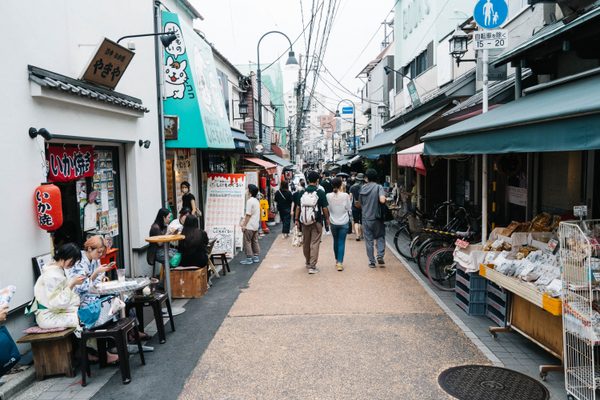
A legendary kissaten (old-style Japanese coffee shop) dating to 1938, located just outside Ueno Park near Yanaka. Kayaba Coffee was lovingly restored by community volunteers and serves thick tamago sando (egg sandwiches) and hand-drip coffee in a beautifully preserved two-story wooden building.

💡 Lines form on weekends. Come on a weekday morning, order the morning set (coffee + egg sandwich for around ¥900), and take a seat by the window on the second floor — it's a scene straight out of Showa-era Tokyo.

Okachimachi Ramen Alley (御徒町周辺の裏路地ラーメン)

The backstreets behind Okachimachi station (a 3-minute walk from Ueno) hide several tiny, counter-only ramen shops that are packed with local salarymen at lunch. These aren't on any tourist app — just handwritten signs and 8-seat counters.

💡 Walk the small streets on the west exit side of Okachimachi and follow the smell. Most shops open around 11 AM and close when the soup runs out — usually by 2 PM. Budget around ¥900–¥1,200 per bowl.

Gyoza Stalls Inside Ameyoko Center Building (アメ横センタービル地下)

Beneath the main Ameyoko strip lies the Ameyoko Center Building basement, a covered arcade packed with Southeast Asian and Chinese food stalls that's been there since the 1970s. Tiny gyoza shops here serve freshly pan-fried dumplings for around ¥500 a plate.

💡 This underground section feels completely separate from tourist Ameyoko above. Most stall owners don't speak English but pointing at the food and holding up fingers for quantity works perfectly — and the atmosphere is wonderfully gritty and real.

Where to Stay

The Classics

Hotel Metropolitan Tokyo Ueno

A well-located upper-mid-range hotel directly connected to Ueno Station, offering comfortable rooms, great city views, and easy access to every major Ueno attraction. Multiple dining options on-site make it especially convenient.

Approximately ¥15,000–¥25,000 per night depending on season

Ueno First City Hotel

A reliable business hotel just a 5-minute walk from Ueno Station with clean, compact rooms at a reasonable price point. Well-reviewed for its location and straightforward service — a solid choice for travelers who prioritize access over luxury.

Approximately ¥8,000–¥13,000 per night

Local Secrets

Sawanoya Ryokan (澤の屋旅館)

A family-run ryokan operating since 1949 in the Yanaka neighborhood, just a 15-minute walk from Ueno Park. Sawanoya is internationally beloved among repeat Japan travelers for its warm hospitality, authentic tatami rooms, and owner-led neighborhood walking maps. It is consistently mentioned as one of Tokyo's best budget ryokan experiences.

Approximately ¥7,000–¥10,000 per person per night including breakfast

Hidden Gems

Local Secrets

Yanaka Cemetery & Shotengai

Walk 15 minutes north from Ueno Park into Yanaka, one of Tokyo's last intact pre-war neighborhoods. The vast cemetery is a peaceful locals' park, and the Yanaka Ginza shotengai (old shopping street) is lined with independently-owned craft shops, cat cafes, and tofu sellers — almost entirely free of tourist crowds.

Tokyo National Museum Honkan Garden (Tea House)

Behind the Tokyo National Museum's main building is a rarely visited traditional garden with five historic teahouses. The garden opens to the public only a few times a year in spring and autumn — check the museum calendar for 庭園開放 (garden opening) dates.

Okachimachi Jewelry Town

The blocks around Okachimachi Station form Tokyo's wholesale jewelry district, packed with hundreds of tiny shops selling precious stones, pearls, silver, and gold at prices far below department store retail. Most shops are open to the public, not just trade buyers — a fascinating and practical hidden gem.

Getting There

Ueno is served by JR Yamanote and Keihin-Tohoku Lines, the Tokyo Metro Ginza and Hibiya Lines, and the Keisei Main Line (direct airport access from Narita via the Keisei Skyliner, approximately 41 minutes). From Haneda Airport, take the Keikyu Line to Shinagawa and transfer to the Yamanote Line (approximately 40–50 minutes total). The area is extremely walkable once you arrive.

Best Time to Visit

Late March to early April for cherry blossoms is the most iconic time, but expect large crowds. Mid-May to June offers pleasant weather with no crowds. Autumn (October–November) brings colorful foliage around the park and is ideal for museum visits. The New Year period sees Ueno's temples and shrines come alive with traditional festivities.

Local Tip

IC cards (Suica or Pasmo) are accepted at virtually all transport and convenience stores in the area. Most museums are closed on Mondays — plan accordingly. Ameyoko is liveliest Thursday through Sunday. For the best cherry blossom photos without people in the frame, arrive at the park before 7 AM.