Tokyo

asakusa

Tokyo's timeless shitamachi — where old Japan still breathes

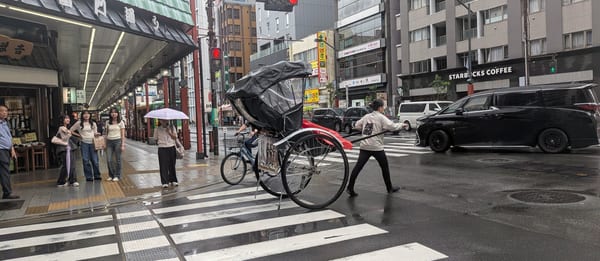
Asakusa is Tokyo's most iconic historic district, home to the magnificent Senso-ji Temple and a labyrinth of traditional shopping streets. Despite being one of the city's top tourist destinations, it retains the warm, unhurried soul of old Edo shitamachi culture. From rickshaws and yukata rentals to craft workshops and river cruises, Asakusa offers a genuine window into Japan's past.

Sightseeing

The Classics

Senso-ji Temple & Nakamise-dori

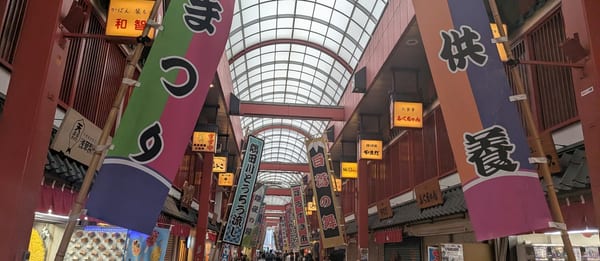
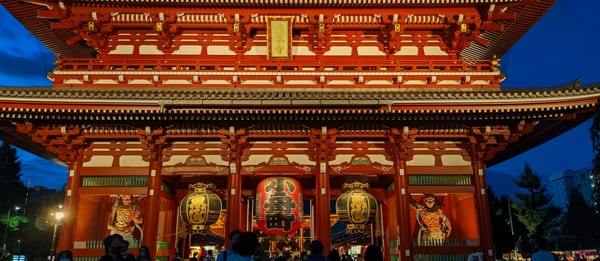
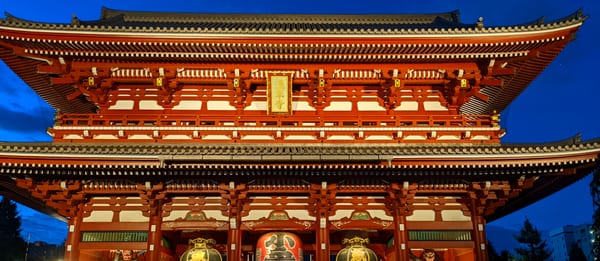
Tokyo's oldest and most visited temple, founded in 628 AD. The iconic Kaminarimon gate with its giant red lantern leads to Nakamise-dori, a 250-meter arcade lined with traditional snack and souvenir stalls.

💡 Arrive before 7 AM to experience the temple in near-silence before the crowds descend. The main hall is open from around 6 AM.
Asakusa Shrine (Asakusa Jinja)

Standing right beside Senso-ji, this Shinto shrine dedicated to the three men who founded the temple is a designated Important Cultural Property. It hosts the famous Sanja Matsuri every May, one of Tokyo's three great festivals.

💡 Easy to miss because visitors fixate on Senso-ji — don't skip it. The shrine offers a quieter, more intimate atmosphere than its famous neighbor.

Hoppy Street (Hoppy-dori)

A lively alley behind the Rokku entertainment district lined with old-school open-air izakaya. Named after Hoppy, a beer-like low-alcohol drink that became a workingman's staple in postwar Tokyo.

💡 Visit in the early evening when salarymen and locals pull up stools outside. A glass of Hoppy with motsuni (offal stew) costs roughly ¥500–¥800 and is pure shitamachi culture.

Local Secrets

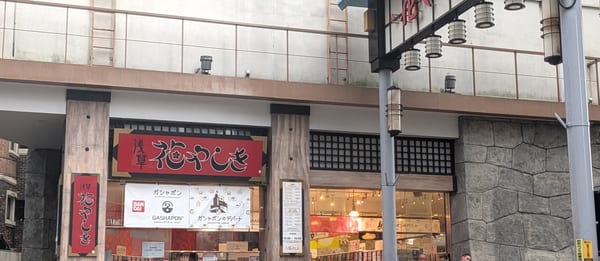
Hanayashiki Amusement Park

Japan's oldest amusement park, open since 1853. Sandwiched between residential streets behind Senso-ji, its tiny rides and retro attractions feel like a living museum of Showa-era fun. The old roller coaster rattles magnificently.

💡 Entry is around ¥1,000 with rides costing extra tokens. Most foreign tourists walk right past without knowing it exists. Perfect for an hour of nostalgic kitsch.

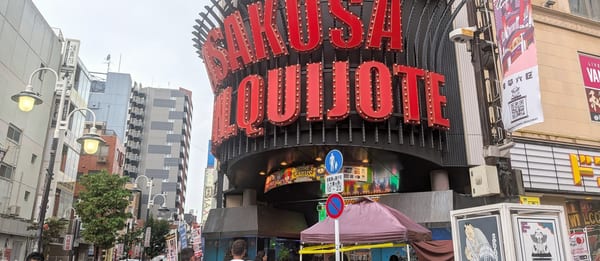
Asakusa ROX & Rokku Entertainment District

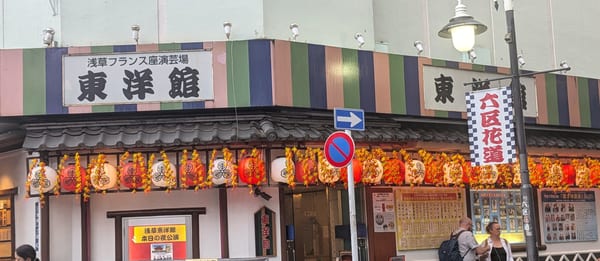
The Rokku (Block 6) area was prewar Tokyo's Broadway, packed with theaters, cinemas, and variety halls. The Asakusa Engei Hall still runs rakugo and manzai comedy shows daily, and the streetscape preserves fragments of that golden era.

💡 A day ticket to Asakusa Engei Hall is around ¥3,000. Even without understanding Japanese, the physical comedy of manzai is surprisingly universal.

Sumida Park & the Riverside Walk to Mukojima

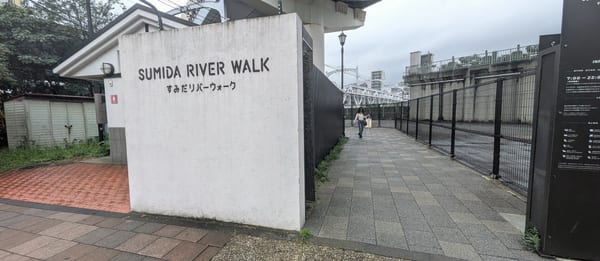
The stretch of Sumida River north of Asakusa, dotted with over 600 cherry trees, is famous during spring but pleasantly empty the rest of the year. Walking further to the quiet Mukojima neighborhood reveals an almost untouched shitamachi streetscape.

💡 Rent a bicycle from one of the Asakusa rental shops (around ¥1,500/day) and pedal north along the river. You'll see almost no foreign tourists within 10 minutes.

Food & Drink

The Classics

Melon Pan Ice Cream at Kagetsudo

Kagetsudo (花月堂) near Kaminarimon is famous for its giant freshly baked melon pan, and the queues are real. Ask for the soft-serve ice cream stuffed inside for the full experience.

💡 The shop opens around 9 AM and sells out by early afternoon. The line moves quickly — budget 10–15 minutes.

Tempura at Daikokuya

Daikokuya (大黒家) has been serving its distinctive dark-sauce tempura over rice since 1887. The tendon here uses sesame oil and a rich sauce that looks almost brown — a style unique to old Asakusa.

💡 Expect a queue of 30–60 minutes at lunch. Go at 11 AM when the doors open or after 2 PM. A tendon bowl is approximately ¥2,000–¥2,500.

Ningenyaki & Traditional Sweets on Nakamise

Ningenyaki are small sponge cakes filled with sweet red bean paste, sold freshly made along Nakamise-dori. Along with agemanjo (deep-fried steamed buns) and kibi dango skewers, they make ideal walking snacks.

💡 Buy from stalls where you can see the items being made fresh on the spot. Prices are typically ¥200–¥500 per item.

Local Secrets

Sometaro — Old-School Monjayaki

Sometaro (染太郎) on Nishi-Asakusa has been serving monjayaki — Tokyo's runnier, crispier cousin of okonomiyaki — since 1937. The Showa-era interior with low tables and paper lanterns hasn't changed much since.

💡 This is a true local haunt barely on the tourist radar. A full monja meal with drinks runs approximately ¥1,500–¥2,500 per person. Reserve ahead on weekends.

Kamejyu — Century-Old Sukiyaki Lunch

Kamejyu (亀十) is well known for dorayaki, but fewer visitors discover that the sukiyaki restaurant upstairs has been quietly feeding locals since the Meiji era. Seasonal set lunches are available at relatively approachable prices.

💡 The dorayaki queue outside the ground floor often obscures the restaurant entrance above. Check the staircase on the right side of the building.

Nishi-Sando Covered Arcade

The covered shopping street running west from Senso-ji toward Rokku is far less photographed than Nakamise yet lined with real working-class shops: Buddhist altar dealers, festival costume suppliers, plastic food sample makers, and retro toy stores.

💡 The plastic food sample shops here sell genuine factory seconds and DIY kits for far less than gift shops elsewhere in Tokyo. A great spot for unusual souvenirs.

Where to Stay

The Classics

The Gate Hotel Kaminarimon

A stylish boutique hotel directly above Kaminarimon gate with stunning rooftop views of Senso-ji and the Tokyo Skytree. The building incorporates the historic Raijin Gate landmark into its design. Rates are approximately ¥25,000–¥45,000 per night.

~¥25,000–¥45,000 / night

Andon Ryokan

A beautifully designed budget ryokan with a contemporary twist, run by a family with deep Asakusa roots. The minimalist rooms with shoji screens and a communal lounge with free beer in the evening create a warm guesthouse atmosphere. Rates are approximately ¥7,000–¥14,000 per night.

~¥7,000–¥14,000 / night

Local Secrets

Khaosan Asakusa Origami

Part of a well-regarded Tokyo backpacker chain, this branch sits on a quiet side street just two minutes from Senso-ji. The staff are local experts who readily share insider tips, and the vibe attracts a mix of solo travelers from around the world. Dorm beds are approximately ¥3,000–¥4,500 per night.

~¥3,000–¥4,500 / night (dorm)

Hidden Gems

Local Secrets

Denboin-dori Street

A short street connecting Nakamise to the western side of the temple complex, decorated with large painted fusuma panels depicting Edo townspeople. At dusk, the lanterns come on and the scene feels genuinely cinematic — yet most visitors walk straight past.

Free Skytree View from Asakusa Culture Tourist Information Center

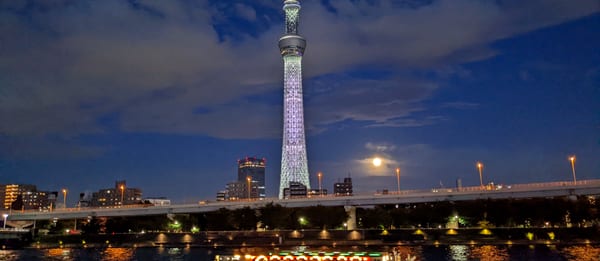
The observation terrace on the 8th floor of the Asakusa Culture Tourist Information Center — the angular modern building just outside Kaminarimon — offers a free, perfectly framed view of both the Kaminarimon lantern and Tokyo Skytree. Zero queue, zero cost.

Kappabashi Kitchen Town

A 200-meter street of wholesale kitchen equipment stores just a 10-minute walk from Senso-ji. Professional chefs and home cooks shop here for Japanese knives, lacquerware, ceramics, and the famous hyper-realistic plastic food samples. Prices are significantly lower than tourist shops.

Getting There

From Narita Airport, take the Narita Express (N'EX) to Shinjuku or Ueno, then transfer to the Tokyo Metro Ginza Line to Asakusa Station (approx. 90–110 min, ¥3,000–¥4,000). From Haneda Airport, take the Keikyu Line to Asakusa Line direct to Asakusa Station (approx. 40 min, ~¥600). The Tsukuba Express also serves Asakusa Station. Within the area, everything is walkable.

Best Time to Visit

Late March to early April for cherry blossoms along the Sumida River is peak season — book accommodation months in advance. May brings the electrifying Sanja Matsuri festival. Mid-October sees the Asakusa Jidai Matsuri historical parade. Summer evenings (July–August) have a lively festival atmosphere with yukata-clad locals. Winter mornings offer the most atmospheric, crowd-free temple visits.

Local Tip

Asakusa's western neighborhood around Nishi-Asakusa and Komagata is where locals actually eat and shop — rents are lower than Nakamise-side and restaurants are more honest about quality. For souvenirs, skip the Nakamise stalls (most goods are mass-produced) and head to the craft shops on Denboin-dori or the artisan galleries near the Sumida Park entrance. Rickshaw pullers (jinrikisha) around Nakamise will offer free short rides as a sample — it's perfectly fine to politely decline if you don't want the paid ride after.