Tokyo

sugamo

Tokyo's Grandma's Harajuku — Retro Charm and Shitamachi Soul

Sugamo is affectionately nicknamed 'Grandma's Harajuku' by locals, a nostalgic shopping street where elderly Tokyoites have gathered for generations. Jizo-dori shotengai stretches with traditional sweets, red underwear shops, and pilgrimage temples — a living snapshot of old Tokyo that the tourist crowds have yet to discover.

Sightseeing

The Classics

Kogan-ji Temple (Togenuki Jizo)

The spiritual heart of Sugamo, this temple enshrines Togenuki Jizo, a deity famous for healing ailments. Visitors pour water over the 'Arai Kannon' statue, rubbing the spot on the statue corresponding to their own ailing body part.

💡 Visit on the 4th, 14th, or 24th of each month when a large street market fills the surrounding lanes with food stalls and vendors.
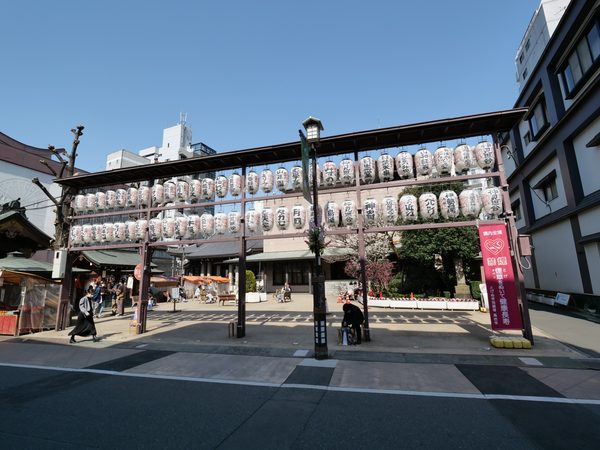
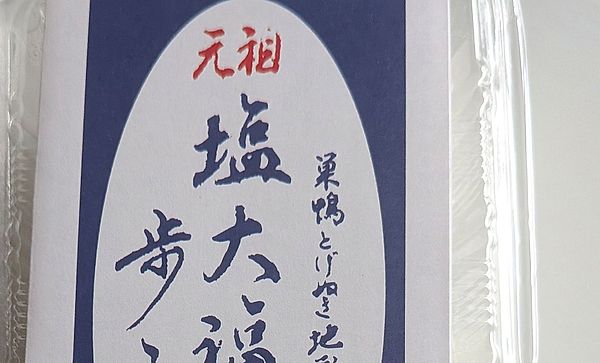
Jizo-dori Shotengai

A 780-meter covered and open-air shopping street lined with over 200 shops selling traditional Japanese sweets, pickles, herbal medicines, and the iconic red underwear said to bring good health and luck.

💡 Most shops open around 9–10 AM and many close by 6 PM. Weekday mornings are the best time to chat with shop owners at a leisurely pace.

Shin-Gansho-ji Temple

A quiet Tendai Buddhist temple a short walk from the main street, housing a wooden Fudo Myo-o statue and a tranquil moss garden that feels a world away from the bustling shotengai.

💡 The small garden at the rear is rarely mentioned in guidebooks — peek through the gate for a serene photo opportunity.

Local Secrets

Somei Cemetery (Somei Reien)

One of Tokyo's oldest public cemeteries, Somei Reien is also the origin of the 'Somei Yoshino' cherry blossom variety. In late March, the long central avenue becomes a breathtaking tunnel of blossoms visited almost exclusively by locals.

💡 This is where the Somei Yoshino cherry tree originates — a botanical history lesson wrapped in stunning sakura scenery, without a single tour bus in sight.

The Vintage Shotengai Back Alleys

Behind the main Jizo-dori, narrow residential lanes reveal a Tokyo that has barely changed since the 1970s — hand-painted signs, old tofu shops, and neighbours chatting over fences.

💡 Take any alley heading north off Jizo-dori and wander freely. There are no tourist traps here — just authentic daily life.

Sugamo Pilgrimage Stamps (Shikoku 88 Ohenro Reenactment)

Sugamo is a stop on a miniature Tokyo version of the famous Shikoku 88-temple pilgrimage. Small stone markers and plaques mark the route, followed quietly by elderly devotees with white pilgrim sashes.

💡 Pick up a pilgrimage stamp booklet at Kogan-ji and follow the local ohenro markers — a living religious tradition almost invisible to foreign visitors.

Food & Drink

The Classics

Shiratama-zanmai at Oshinoya

One of Jizo-dori's most beloved sweet shops, Oshinoya has been serving soft, handmade shiratama (rice-flour dumplings) in various sweet toppings since the Showa era. The anmitsu and shiratama zenzai are local favourites.

💡 Arrive before noon on market days (the 4th, 14th, 24th) — they often sell out of popular items by early afternoon.

Shibazuke and Pickles at Maruyama Nori-ten area stalls

Several long-established pickle (tsukemono) vendors along Jizo-dori offer free tastings of seasonal pickles — a salt-pickled cucumber here, a sweet miso radish there — making a slow walk down the street a progressive tasting experience.

💡 Say 『hitotsu kudasai』 (one piece, please) and shop owners are happy to let you sample before buying. No purchase pressure.

Menchi-katsu (Deep-fried Minced Meat Cutlet)

Several butcher-style shops along the shotengai sell freshly fried menchi-katsu (juicy minced pork and beef cutlets) for around 200–300 yen each — the definitive Sugamo street-eat, eaten while walking.

💡 Look for the shops with a queue forming out front; that is always the reliable indicator of freshly-fried batches coming out of the kitchen.

Local Secrets

Funawa — Veteran Anmitsu Shop

Funawa is a Tokyo institution with a branch near Sugamo that many visitors overlook in favour of newer sweets spots. Their kanten-based anmitsu follows a recipe unchanged for decades, using imported agar and house-made black syrup.

💡 The branch near Sugamo is far less crowded than the flagship Asakusa location — same quality, shorter wait.

Red Fundoshi (Undergarment) Tasting Tour

Sugamo's most iconic and photogenic cultural curiosity is its bright red underwear shops. The red colour (eki-iro) is traditionally associated with warding off illness in elderly Japanese culture. Chateau Rouge and similar shops sell red tabi socks, shirts, and undergarments.

💡 Buy a pair of red tabi socks as a unique, lightweight, and affordable gift — far more authentic than airport souvenirs, starting from around 500 yen.

Local Tofu Shop Morning Run

A handful of traditional tofu-ya (tofu makers) in the residential streets behind Jizo-dori still produce fresh tofu from the morning hours. The warm, just-set soft tofu (yose-dofu) eaten on the spot is a hyper-local experience virtually unknown to tourists.

💡 Arrive before 9 AM. Some shops operate without signage — look for the steam and the faint soy aroma drifting from the back alleys.

Where to Stay

The Classics

Hotel Pearl City Sugamo

A well-maintained business hotel a short walk from Sugamo Station, offering clean, comfortable rooms with easy access to both the shotengai and the Yamanote Line. A reliable mid-range option for exploring northern Tokyo.

Approx. 9,000–14,000 yen per night

Tokyu Stay Suidobashi (nearby base)

While slightly outside Sugamo, Tokyu Stay Suidobashi offers spacious rooms with in-room laundry facilities — ideal for longer stays exploring the shitamachi (old downtown) neighbourhoods of northern Tokyo including Sugamo, Komagome, and Yanaka.

Approx. 12,000–18,000 yen per night

Local Secrets

Guesthouse Itabashi — Local Neighbourhood Stay

Small independently run guesthouses in the Itabashi–Sugamo residential corridor offer tatami rooms in genuine family homes, a world apart from hotel chains. Breakfast may include the tofu and pickles you just bought on Jizo-dori. Check local listings for current availability.

Approx. 4,000–7,000 yen per night (varies by property)

Hidden Gems

Local Secrets

The Birthplace of Somei Yoshino Cherry Blossoms

The Somei Yoshino cherry variety — the most planted cherry tree in Japan — was first cultivated by Edo-period nursery gardeners in Somei village, which is now part of Sugamo. Somei Cemetery contains some of the oldest surviving examples of the original strain.

Votive Tablets at Kogan-ji

The ema (votive wooden tablets) hung at Kogan-ji are overwhelmingly written with prayers for health and recovery rather than the love wishes or exam success requests seen at other Tokyo shrines — a touching window into the hopes of Japan's elderly generation.

Monthly Ennichi Market Days

On the 4th, 14th, and 24th of every month, Jizo-dori transforms into a full street market with hundreds of additional vendors. The atmosphere shifts to something closer to a Showa-era festival, with older Tokyoites treating the day as a social outing as much as a shopping trip.

Getting There

Sugamo Station is on the JR Yamanote Line (a 10-minute ride from Ikebukuro) and also served by the Toei Mita Line (Subway). From Tokyo Station, take the Yamanote Line to Sugamo — approximately 25 minutes. No IC card top-up needed; a single fare is roughly 200 yen from central Tokyo.

Best Time to Visit

Spring (late March to early April) for cherry blossoms at Somei Cemetery. The monthly market days on the 4th, 14th, and 24th of each month add extra energy to the shotengai year-round. Autumn brings colourful foliage to the temple grounds. Avoid major national holidays if you prefer a calmer atmosphere.

Local Tip

Sugamo is a neighbourhood of unhurried elderly Tokyo — slow down your pace, greet shopkeepers, and accept any free samples offered. Most shopowners here speak little English but respond warmly to a smile and a bow. The shotengai is entirely walkable and best explored without a fixed plan.