Tokyo

roppongi

Where World-Class Art Meets Tokyo's Wildest Nights

Roppongi is Tokyo's most internationally charged neighborhood, home to landmark museums, Michelin-starred restaurants, and a nightlife scene that pulses until dawn. By day it's a refined cultural district; by night it transforms into one of Asia's most electric entertainment hubs. Whether you're here for Murakami or mojitos, Roppongi delivers on every front.

Sightseeing

The Classics

Mori Art Museum

Perched on the 53rd floor of Mori Tower, this world-class contemporary art museum offers both boundary-pushing exhibitions and a breathtaking 360-degree view of Tokyo from the adjacent Tokyo City View observation deck.

💡 Buy a combo ticket that includes both the museum and the observation deck. The night view of Tokyo from the deck is genuinely one of the best in the city.

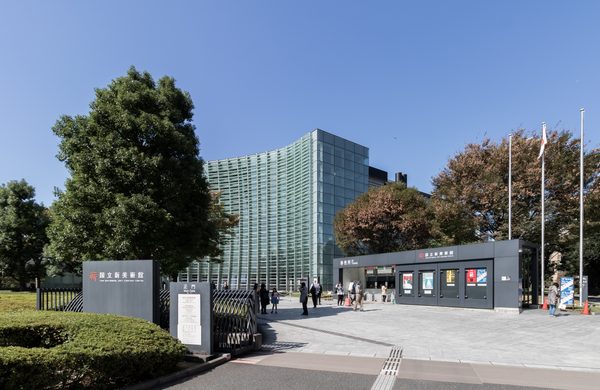
The National Art Center, Tokyo

Japan's largest exhibition space, designed by architect Kisho Kurokawa, features a stunning wave-shaped glass facade. It hosts major rotating exhibitions rather than a permanent collection, so there is almost always something fresh to see.

💡 The building itself is free to enter. Head to the in-house brasserie 『Paul Bocuse』 on the third floor for an affordable French lunch with a view of the undulating interior atrium.

21_21 DESIGN SIGHT

Designed by Tadao Ando and located inside Tokyo Midtown, this sleek underground gallery focuses on design in everyday life. Exhibitions here are consistently thoughtful and tend to attract a creative local crowd.

💡 The sculpture garden surrounding the building is free and beautifully landscaped — worth a slow walk even if you skip the exhibition.

Local Secrets

Tokyo Midtown Hinokicho Park at dusk

Tucked behind Tokyo Midtown, this small traditional Japanese garden and adjacent Hinokicho Park are almost entirely ignored by tourists. Local office workers come here to decompress, and at dusk the light through the old trees is quietly spectacular.

💡 Visit on a weekday around 5–6 PM when salarymen sit on the benches with canned beer. It feels like a completely different city from the crowds at Mori Tower.

Nogi Shrine and General Nogi's Residence

A five-minute walk from Roppongi Hills, this solemn shrine is dedicated to General Maresuke Nogi, who performed ritual suicide here in 1912 following Emperor Meiji's death. His preserved Western-style residence stands next to the shrine, almost entirely overlooked by visitors.

💡 The flea market held on the first and third Sunday of each month at Nogi Shrine is a genuine local antiques market — not a curated tourist craft fair.

Azabu-Juban Shotengai Shopping Street

A seven-minute walk from Roppongi, Azabu-Juban is the actual neighborhood where Roppongi residents shop and eat. This old-fashioned covered shotengai is full of century-old tofu shops, sembei stores, and soba restaurants with zero tourist signage.

💡 Try 『Naniwaya Sohonten』, a taiyaki shop open since 1909, said to be the origin of fish-shaped pastry in Japan. The queue moves fast and a single taiyaki costs around 200 yen.

Food & Drink

The Classics

Gonpachi Nishiazabu

This dramatic multi-story izakaya is said to have inspired the restaurant set in the film 『Kill Bill』. The yakitori, soba, and sake selection are genuinely solid, and the theatrical interior is worth experiencing at least once.

💡 Book in advance online — walk-ins at peak hours face a long wait. The robata grilled items are the highlight of the menu.

Tokyo Midtown Restaurant Floor

The basement and third-floor dining areas of Tokyo Midtown house a curated selection of serious restaurants, from high-end Japanese kaiseki to French bistros. The quality-to-accessibility ratio is excellent for a complex of this scale.

💡 Lunch sets at most restaurants here are roughly half the price of dinner menus and offer nearly the same quality — a great way to eat well without breaking the budget.

Roppongi Hills Farmer's Market

Held on weekends in the plaza of Roppongi Hills, this farmer's market brings organic producers from around Japan to sell directly to Tokyo residents. It is one of the few places in central Tokyo to try artisan regional foods.

💡 Usually runs on Saturdays and Sundays from around 10 AM to 4 PM, though dates vary. Check the UNU Farmer's Market schedule as the main anchor market is held at the UN University nearby in Aoyama.

Local Secrets

Standing Soba at Hinokicho Park Area Kiosks

A handful of unmarked standing-soba stalls near the Roppongi and Nogizaka back streets serve office workers at lunch. These tachigui soba joints offer bowls from around 400–600 yen and are almost entirely invisible to anyone not actively looking.

💡 Ordering is usually done via a vending machine ticket system near the entrance. Point at what the person next to you ordered if unsure — you can't really go wrong.

Azabu Tofu Shops on Azabu-Juban Shotengai

Several multi-generational tofu shops on Azabu-Juban produce fresh tofu daily and sell warm, house-made agedashi tofu and soy milk to eat on the spot. This is food culture that has existed in this neighborhood for over a century.

💡 『Sagatani Tofu』 is one to look for. A block of silken tofu to eat on a stool outside costs well under 300 yen and tastes completely different from supermarket tofu.

Late-Night Ramen on Roppongi Back Streets

The narrow alleys running off the main Roppongi crossing hide a few no-frills ramen shops that are primarily used by bar and club staff finishing late shifts around 4–5 AM. They are open to anyone and are the most honest food in the neighborhood.

💡 Look for shops with hand-written signs and plastic curtains. A bowl is typically around 800–1,000 yen. These shops are rarely on food apps in English, so walk and look.

Where to Stay

The Classics

Grand Hyatt Tokyo

Located inside Roppongi Hills complex, the Grand Hyatt is the benchmark luxury hotel in the neighborhood. Rooms are spacious by Tokyo standards, the pool and spa are excellent, and the location puts you steps from Mori Art Museum.

Rooms typically from around 60,000–100,000+ JPY per night depending on season.

The Ritz-Carlton Tokyo

Occupying the top floors of Tokyo Midtown Tower, the Ritz-Carlton offers some of the highest hotel rooms in the city with views that match. The Club Lounge breakfast is considered one of the best hotel breakfast experiences in Tokyo.

Rooms typically from around 80,000–150,000+ JPY per night.

Local Secrets

Small Guesthouses in Nishi-Azabu

A handful of low-key guesthouses and serviced apartments operate in the quiet residential streets of Nishi-Azabu, five to ten minutes on foot from Roppongi. These offer a genuinely residential feel in one of Tokyo's most expensive postal codes at a fraction of the hotel price.

From approximately 8,000–15,000 JPY per night depending on the property.

Hidden Gems

Local Secrets

Toranomon Hills Oval Plaza

A 10-minute walk from Roppongi, this newer development has a beautifully designed public plaza that is almost deserted on weekday mornings. The contrast between the ultra-modern tower and the few remaining old shitamachi structures nearby is quietly fascinating.

The Stone Lanterns of Nogi Shrine at Night

After dark, the stone lanterns along the path to Nogi Shrine are lit softly and the shrine is completely empty. It is one of the few genuinely atmospheric quiet moments available within walking distance of Roppongi's noise.

Keyaki-zaka Street Illuminations

The zelkova tree-lined street connecting Roppongi Hills to the main road is lit with white illuminations from November through February each year. On weekday nights it is nearly empty and the effect is quietly beautiful in a way the tourist photos don't capture.

Getting There

Roppongi Station is served by two subway lines: the Tokyo Metro Hibiya Line and the Toei Oedo Line, both accessible with a standard IC card (Suica/Pasmo). From Shibuya take the Hibiya Line (approx. 3 stops, around 200 JPY). From Shinjuku take the Oedo Line (approx. 4 stops, around 220 JPY). Taxis from central Tokyo cost roughly 1,500–3,000 JPY depending on origin.

Best Time to Visit

Roppongi works year-round but has two distinct peaks worth targeting. November to February brings the Keyaki-zaka illuminations and crisp clear days ideal for the observation deck. Late spring (April to May) fills the Tokyo Midtown gardens and Hinokicho Park with greenery. Summer weekends can feel overwhelming in the nightlife district — avoid if crowds bother you.

Local Tip

The Hibiya Line platform at Roppongi Station is extremely deep underground — allow extra time for connections. If you plan a late night, the last trains on both lines leave Roppongi between midnight and 1 AM on weekdays; after that, taxis are your only public option. Many bars here add a 『table charge』 of 500–1,000 JPY per person automatically — this is normal practice, not a scam.