Tokyo

asakusabashi

Tokyo's Secret Craft & Doll Wholesale District

Asakusabashi is a quiet neighborhood tucked between Akihabara and Asakusa, long known as Tokyo's wholesale hub for traditional dolls, craft supplies, and party goods. Unlike the tourist-packed streets nearby, this area rewards curious visitors with unique shopping experiences and a glimpse into the city's artisan trade culture. It's the kind of place where local shop owners still greet you by name.

Sightseeing

The Classics

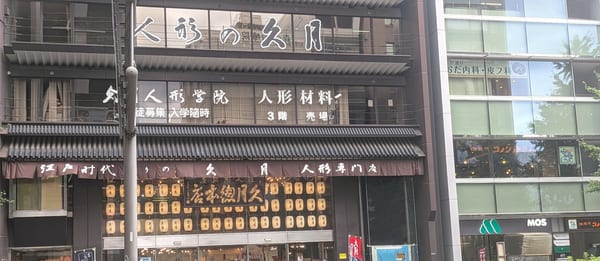
Edo-dori Doll Street

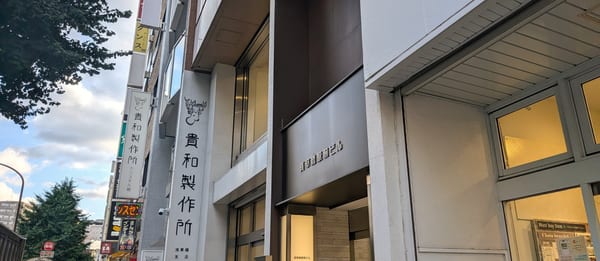
The main stretch of Edo-dori is lined with traditional doll wholesalers and craft supply shops, many of which have been family-run for generations. Window displays feature elaborate Hina dolls, samurai armor figures, and festival decorations that change with the seasons.

💡 Most shops are technically wholesale, but many welcome individual buyers. Politely asking to browse is usually welcomed, especially on weekdays.

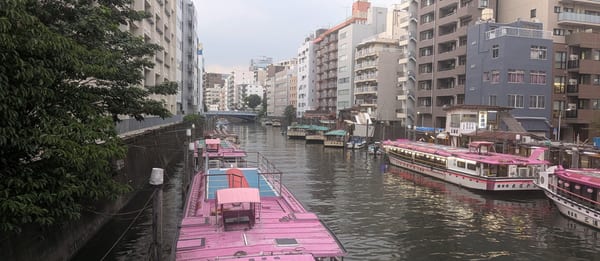
Yanagibashi Bridge & Kanda River

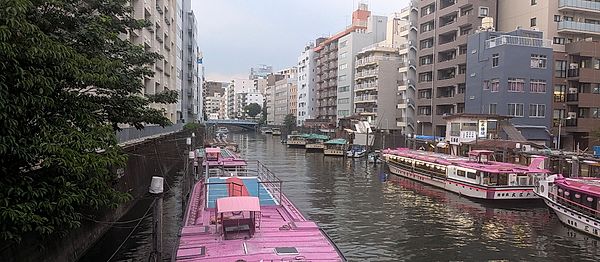
The historic Yanagibashi Bridge over the Kanda River was once the gateway to Edo-era entertainment districts and geisha quarters. Today it offers a peaceful riverside walk with old willow trees and a quiet contrast to central Tokyo's bustle.

💡 Early morning is the best time to visit for atmospheric mist over the river and minimal crowds.

Craft Supply Cluster around Asakusabashi Station

The blocks immediately surrounding Asakusabashi Station on both sides of the JR tracks are densely packed with wholesale and retail stores selling beads, ribbons, fabrics, buttons, and every imaginable craft material at prices far below retail elsewhere in Tokyo.

💡 The west exit side leans toward party and novelty goods; the east exit side is stronger for traditional craft and doll supplies.

Local Secrets

Tori-no-Gozen-sha Shrine

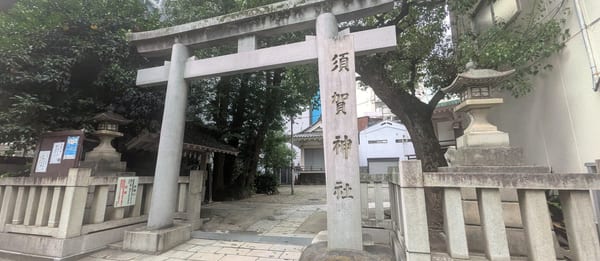
A tiny, almost hidden Shinto shrine tucked behind warehouse buildings near the riverbank. Locals stop here on their way to work, and it sees almost no tourists despite being just minutes from the station. The shrine is dedicated to business prosperity, fitting for a wholesale district.

💡 Look for the small stone torii half-concealed between storage buildings on the riverside backstreets — it won't appear on most maps.

Kanda River Backstreet Walk

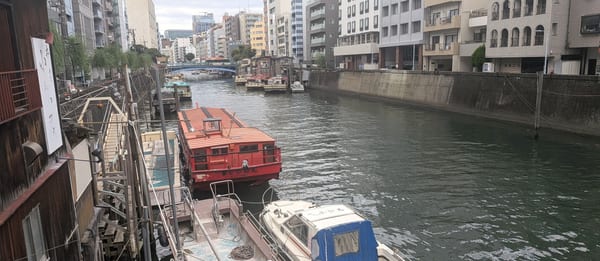
Following the Kanda River downstream from Yanagibashi toward Ryogoku reveals a rarely walked stretch of old Tokyo — boatyards, fishing equipment shops, tiny lunch diners for warehouse workers, and aging apartment buildings that feel completely untouched by gentrification.

💡 This walk is best done on a weekday morning when the working-class neighborhood is fully alive with delivery trucks and shop owners stocking shelves.

Uragawa-dori Back Alley Wholesalers

Behind the main Edo-dori, a network of narrow alleys contains some of the oldest wholesale buildings in the area, with shops selling festival props, theatrical accessories, and paper crafts at deeply discounted prices. These are the suppliers that supply the suppliers.

💡 Some of these shops only operate during business hours on weekdays and close entirely on weekends — plan accordingly.

Food & Drink

The Classics

Yoshikamiya (Western-style restaurant)

A long-standing Western-style yoshoku restaurant near the station serving old-school Tokyo comfort food: omurice, hayashi rice, and croquettes. The interior has barely changed since the Showa era, giving it an irreplaceable retro charm.

💡 Lunch sets are great value at approximately ¥900–1,200 and sell out early, so aim to arrive before noon.

Local Sushi Bars along Edo-dori

Several small, counter-only sushi restaurants operate in Asakusabashi catering to local wholesale workers. These are no-frills establishments where fresh fish is served at honest prices without the tourist markup found elsewhere.

💡 Look for restaurants with handwritten menus in the window — these tend to be the most authentic and affordable options.

Neighborhood Ramen Shops

Several low-key ramen shops dot the backstreets of Asakusabashi, serving hearty bowls to the local workforce. The style tends toward classic Tokyo shoyu ramen — clear, savory broth with thin noodles.

💡 Lunchtime is busy with local workers; arriving just before 11:30 or after 1:30 gives you faster service and a more relaxed atmosphere.

Local Secrets

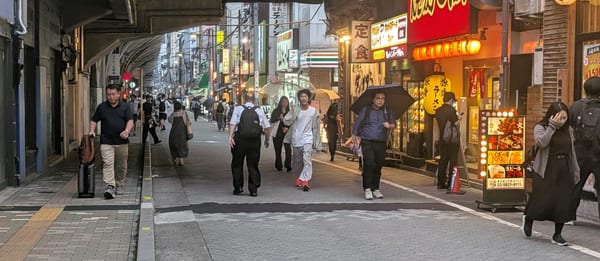
Izakaya Alleys near Asakusabashi Station

The narrow lanes just south of the JR station hide a cluster of old-school izakaya that have served the warehouse and trade workers here for decades. These are not places you'll find in any guidebook — communal tables, hand-cut skewers, and locally brewed draft beer.

💡 Come after 6 PM on a weekday and simply follow the cigarette smoke and laughter down the alley. Japanese ability is helpful but not required — a smile and a point at the menu works fine.

Worker's Bento Shops

Several tiny bento and obanzai shops open early morning to serve wholesale district workers. The menus are handwritten daily and focus on seasonal home-style Japanese cooking — grilled fish, pickled vegetables, and miso soup — for around ¥500–700.

💡 These shops often sell out before 10 AM. They are not marked in English and found only by wandering the backstreets near the wholesale buildings.

Yanagibashi Riverside Kissaten

A handful of old-fashioned kissaten (Japanese coffee shops) overlook the Kanda River near Yanagibashi, frequented entirely by locals and rarely discovered by visitors. Think hand-drip coffee, thick toast with butter, and vintage jazz on the radio.

💡 These cafes typically open around 7:30 AM and are perfect for a slow morning coffee before the wholesale shops open at 9 or 10 AM.

Where to Stay

The Classics

APA Hotel Asakusabashi-Ekimae

A reliable business hotel directly in front of Asakusabashi Station, offering clean and compact rooms with easy access to both JR and Asakusa Line connections. A solid base for exploring eastern Tokyo.

Approximately ¥8,000–14,000 per night

Toyoko Inn Tokyo Asakusabashi

Part of the well-regarded budget business hotel chain, this property offers consistent quality, free breakfast, and a central location with walking distance to Akihabara, Asakusa, and Ryogoku. Popular with domestic business travelers.

Approximately ¥7,000–12,000 per night

Local Secrets

Small Guesthouses along Kanda River

A few small guesthouses and private rental apartments have appeared in the quiet residential pockets near the Kanda River, offering a genuinely local neighborhood experience completely unlike the tourist hotel zone near Asakusa. Booking in advance is essential as availability is limited.

Approximately ¥5,000–9,000 per night depending on the property

Hidden Gems

Local Secrets

Bead & Accessory Wholesale Shops

Asakusabashi hosts several specialist bead and jewelry-making wholesalers that sell to the public at near-wholesale prices. Visiting crafters and jewelry designers from around Japan make pilgrimages here for materials unavailable elsewhere at these prices.

Festival & Event Decoration Wholesalers

Many of Japan's festival decorations, paper lanterns, and traditional event goods are stocked by wholesalers in Asakusabashi before being distributed across the country. Individual buyers can pick up authentic items at a fraction of the retail price found in tourist areas.

Hina Doll Showrooms

Several doll wholesalers maintain elaborate showrooms displaying full sets of Hina Matsuri dolls — ranging from affordable modern styles to exquisite handcrafted traditional pieces costing hundreds of thousands of yen. Even if not buying, the displays are stunning cultural artifacts.

Getting There

Asakusabashi Station is served by the JR Sobu Line (approx. 3 minutes from Akihabara, 25 minutes from Shinjuku) and the Toei Asakusa Line. From Narita Airport, take the Narita Express to Akihabara and transfer to the Sobu Line (total approx. 75–90 minutes). From Haneda Airport, the Toei Asakusa Line connects directly to Asakusabashi Station (approx. 40–50 minutes).

Best Time to Visit

The wholesale district is most lively on weekday mornings from 9 AM to noon when shops are fully stocked and active. The Hina doll displays are at their most impressive from January through early March before Hina Matsuri on March 3rd. Summer brings local festivals near Yanagibashi. Avoid visiting on Sundays when many wholesale shops are closed.

Local Tip

Many shops display signs saying 『業者様向け』(for trade buyers), but individual visitors are generally welcome to enter and browse without pressure to buy. A polite greeting and genuine interest in the products goes a long way. Bring cash as many smaller wholesalers do not accept credit cards. Carry a tote bag — you may find yourself buying more than expected.