Tokyo

shinjuku

Tokyo's Electric Heart — Where Neon Meets Nostalgia

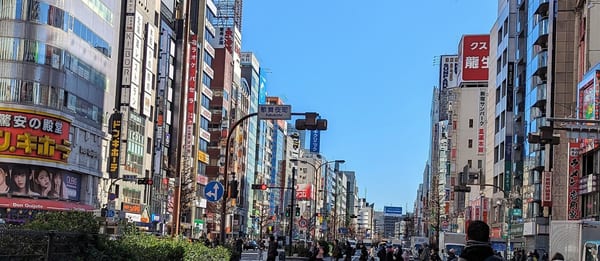
Shinjuku is Tokyo's most dynamic district, pulsing with energy 24 hours a day. From the dazzling lights of Kabukicho to the intimate alleyways of Golden Gai, it offers an unmatched range of experiences. Whether you're a first-time visitor or a seasoned Tokyo regular, Shinjuku always has something new to discover.

Sightseeing

The Classics

Kabukicho

Japan's most famous entertainment district dazzles with towering neon signs, game centers, host clubs, and an electric street energy that peaks after midnight. The newly built Kabukicho Tower has added cinemas, restaurants, and a hotel to the mix.

💡 Walk through around 9–10 PM for the full neon spectacle. Keep valuables secure and be aware of tout solicitation on the main drag.

Shinjuku Gyoen National Garden

One of Tokyo's largest and most beautiful parks, spanning 58 hectares with French formal, English landscape, and Japanese traditional garden zones. It's a top cherry blossom destination in spring and a serene escape from urban chaos year-round.

💡 Alcohol is officially prohibited inside, so save the beer for after. Arrive early on cherry blossom weekends — gates open at 9 AM and crowds swell fast.

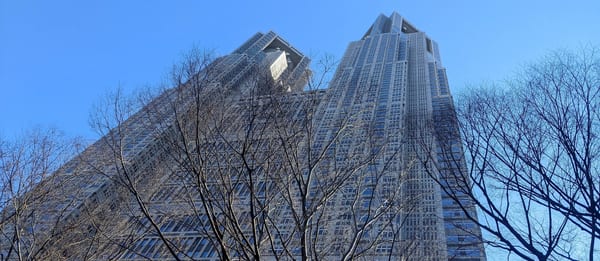
Tokyo Metropolitan Government Building

Designed by architect Kenzo Tange, this iconic twin-tower city hall offers free observation decks on both towers at around 202 meters height. On clear days you can see Mt. Fuji to the west — a completely free panoramic view of Tokyo.

💡 The North Tower observation deck is open some evenings until 10:30 PM. Check the official website for closure days as one tower is sometimes shut for maintenance.

Local Secrets

Golden Gai

A labyrinth of roughly 200 tiny bars crammed into six narrow alleyways, each seating no more than a dozen people. Unlike the tourist-polished version of Tokyo, Golden Gai has survived urban redevelopment and still feels like 1970s Shinjuku, frequented by writers, filmmakers, and off-duty chefs.

💡 Many bars charge a 『cover charge』 of around ¥500–¥1,000. Some bars are regulars-only — look for English signs or just peek inside and make eye contact with the master before sitting down.

Hanazono Shrine Night Visit

This compact Inari shrine sits just two minutes from the chaos of Kabukicho and is completely overlooked by tourists. At night, the red lanterns glow and the atmosphere is almost otherworldly, with locals stopping for a quiet prayer between bar hops.

💡 The flea market held on weekends (roughly twice a month on Sundays) is beloved by vintage hunters and practically unknown to foreign visitors. Check local listings for dates.

Omoide Yokocho (Memory Lane)

A narrow alley of smoky yakitori stalls that survived postwar redevelopment and still clings to the west side of Shinjuku Station. It seats barely 100 people total across all stalls, and the yakitori smoke drifts out into the street like an open invitation.

💡 Go on a weekday — weekends draw crowds and some stalls fill by 7 PM. Sit at the counter, let the master recommend the daily skewers, and order the 『motsu』 (offal) if you're adventurous.

Food & Drink

The Classics

Ichiran Ramen Kabukicho

The Kabukicho branch of this legendary solo-booth ramen chain is open 24 hours, making it the go-to post-midnight meal in the area. Each diner sits in an individual booth, customizes their tonkotsu broth, and receives ramen through a bamboo curtain — an introvert's dream dining experience.

💡 Expect approximately ¥1,000–¥1,500 per bowl with toppings. The queue moves fast even at peak times. You can add extra noodles (『kae-dama』) for around ¥200.

Tsunahachi Shinjuku Main Branch

Founded in 1923, this is one of Tokyo's most respected tempura restaurants, located a short walk from the east exit of Shinjuku Station. The batter is light and the seasonal ingredients are sourced with care — a proper sit-down tempura experience at mid-range prices.

💡 Lunch sets are roughly ¥1,500–¥2,500 and represent excellent value. Dinner courses run higher. Reservations are recommended for dinner, but the ground floor counter often has walk-in space.

Takashimaya Times Square Food Hall (B1–B2)

The basement floors of Takashimaya Times Square on the south side of the station house one of Tokyo's finest depachika (department store food halls), with premium wagashi, pastries, bento, and prepared foods from dozens of famous brands. Perfect for edible souvenirs or a gourmet picnic in Shinjuku Gyoen.

💡 Visit around 6–7 PM for discounted bento and prepared foods marked down before closing. Arrive early on weekends for limited-edition wagashi that sell out quickly.

Local Secrets

Nakamuraya Shinjuku — Curry Restaurant

Established in 1901 as a bakery, Nakamuraya created Japan's first 『authentic Indian curry』 in 1927, inspired by a friendship with Indian independence activist Rash Behari Bose. The curry restaurant on the upper floors of the flagship building is beloved by Tokyo old-timers but missed by most tourists.

💡 The signature 『Junsei Indo Karii』 costs approximately ¥2,000–¥2,500. The connected café and bakery on lower floors are more casual. The building also has a small free museum about the curry's history.

Kabukicho Korea Town (Okubo-dori area)

Just east of Kabukicho along Okubo-dori lies one of Tokyo's most vibrant Korean communities, packed with Korean BBQ restaurants, K-beauty shops, and street food stalls selling tteokbokki and hotteok. This is where Tokyo's Korean residents actually eat, not the polished K-food restaurants in Shibuya.

💡 The side streets off Okubo-dori have late-night Korean BBQ joints open until 2–3 AM. Look for restaurants with Korean-language menus on the door — those are usually the most authentic and affordable (approx. ¥2,000–¥3,000 per person).

Standing Soba at Shinjuku Station Platforms

The tachi-gui (standing eat) soba and udon stalls on the Odakyu and JR platforms inside Shinjuku Station are a true commuter ritual. The broth is dashi-rich, the soba is freshly made, and you eat standing at a counter surrounded by salarymen in suits — pure unfiltered Tokyo daily life.

💡 A standard bowl costs roughly ¥400–¥600. The platform stalls are only accessible with a valid ticket or IC card. The Odakyu platform stall is particularly well-regarded among regulars.

Where to Stay

The Classics

Park Hyatt Tokyo

Immortalized by the film 『Lost in Translation,』 the Park Hyatt occupies floors 39–52 of a skyscraper in Nishi-Shinjuku, with floor-to-ceiling windows, the legendary New York Bar, and some of the best city views in Tokyo. Service is impeccably refined.

Approximately ¥80,000–¥150,000+ per night depending on season and room type.

Keio Plaza Hotel Tokyo

A landmark in Nishi-Shinjuku since 1971, Keio Plaza is a full-service hotel with multiple restaurants, a pool, and over 1,400 rooms. It connects directly to the underground walkway network and is popular with both business and leisure travelers seeking reliability and convenience.

Approximately ¥20,000–¥45,000 per night for standard rooms.

Local Secrets

Shinjuku Kuyakusho-mae Capsule Hotel

Hidden in a quiet street near Shinjuku City Hall (Kuyakusho-mae), this capsule hotel is used almost exclusively by Japanese businesspeople and offers an authentic capsule experience — spotlessly clean pods, a communal bath, and zero tourist theater. It's steps from Golden Gai, making it ideal for a late-night bar crawl base.

Approximately ¥3,500–¥5,500 per night. Most capsule hotels in this area are male-only — check in advance.

Hidden Gems

Local Secrets

Sumitomo Building Sky Lounge (Free)

The 52nd floor of the Sumitomo Building in Nishi-Shinjuku has a free observation lounge accessible during business hours. It's almost entirely unknown to tourists and offers unobstructed daytime views of the Shinjuku skyline, Mt. Fuji on clear days, and the Tokyo Metropolitan Government Building up close.

Getting Deliberately Lost in Shinjuku Station

With 50+ exits and 200 gates, Shinjuku Station is the world's busiest station and a spectacle in itself. The underground concourse during rush hour (around 8–9 AM) is a mesmerizing human river. Following signs for the 『Southern Terrace』 exit leads to a lovely elevated walkway with cafés and Fuji views on clear mornings.

Tokyu Kabukicho Tower Observation Area

The 2023-opened Tokyu Kabukicho Tower has a viewing terrace and entertainment floors that are still finding their audience. On weeknights it's surprisingly quiet and the views down into Kabukicho's neon maze from above are genuinely spectacular — far fewer people than the Tokyo Metropolitan Government Building.

Getting There

Shinjuku Station is served by the JR Yamanote Line, JR Chuo/Sobu Lines, Keio Line, Odakyu Line, Tokyo Metro Marunouchi Line, and Toei Shinjuku and Oedo Lines. From Narita Airport, take the Narita Express (N'EX) directly to Shinjuku (approx. 90 min, roughly ¥3,000–¥4,000). From Haneda Airport, take the Keikyu Line to Shinagawa and transfer to the Yamanote Line (approx. 40 min total, roughly ¥700).

Best Time to Visit

Cherry blossom season (late March to early April) transforms Shinjuku Gyoen into one of Tokyo's most stunning sights. Summer (July–August) brings matsuri festivals and vibrant street energy but high humidity. Autumn foliage in the Gyoen (November) is underrated. Year-round, the nightlife peaks on Friday and Saturday evenings.

Local Tip

Shinjuku Station's west exit underground plaza (『Nishi-guchi Chikashitsu』) was historically a gathering point for homeless communities and countercultural figures — a complex social history worth reading about. For navigation, use the 『My Shinjuku』 app or follow the color-coded floor maps at each major exit. If you're heading to Golden Gai, the east exit path via Studio Alta building is the most direct.